

Last Updated on March 26, 2026 by albertadentures
Discovering damaged dentures creates immediate concern and inconvenience. Many people instinctively search for quick solutions to fix their dental appliances without professional assistance. While this article addresses common queries about various adhesives and repair methods, it’s crucial to understand that professional restoration remains the only recommended approach for ensuring safety, durability, and proper function of your dental prosthesis.
Understanding the significant limitations and potential dangers of household repair products helps prevent additional complications and costly damage to your dental investment. This comprehensive overview examines available consumer options while consistently emphasizing why expert dental care delivers superior, long-lasting results for maintaining both oral health and appliance integrity. The temporary convenience of do-it-yourself repairs never justifies the risks involved.
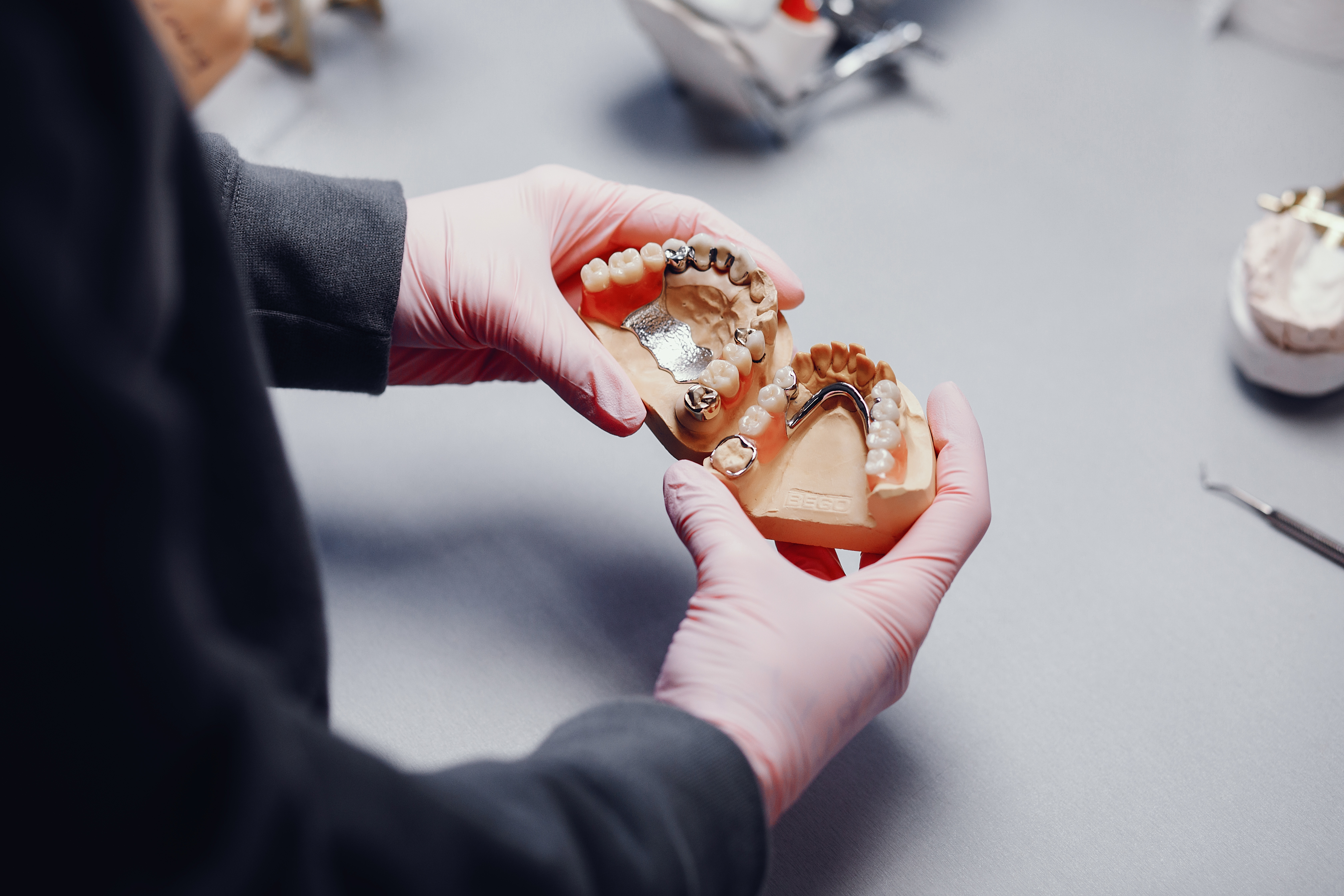
Can I Repair Dentures at Home?
Many denture wearers consider DIY solutions when facing dental appliance damage, hoping to save time and money. While it’s physically possible to attempt glue for dentures repair using commercially available products, dental professionals and denture specialist universally advise against this approach. Dentures are precision medical devices requiring specialized handling that typically exceeds non-professional capabilities. The complex materials and precise fittings can be easily compromised by untrained hands.
While home repair is technically possible, it should only be considered a temporary solution in emergency situations. Professional repair is always the safest and most reliable option.
Temporary vs. Professional Repair
These two approaches yield dramatically different outcomes in both quality and longevity:
- Temporary Home Solutions: Store-bought denture repair glue kits offer limited short-term functionality with significant compromises. These products create unstable molecular connections that frequently fail during normal chewing and speaking. They often modify the appliance’s precise contours through improper application, creating subsequent complications with fit and comfort. The materials used in these kits cannot match the durability or safety of professional-grade compounds.
- Expert Professional Restoration: Qualified dental technicians utilize specialized laboratory compounds and precision equipment unavailable to consumers. Their meticulous work restores original functionality while preserving the exact fit and comfort essential for oral health. This professional approach includes thorough polishing and finishing treatments that prevent soft tissue irritation and maintain proper occlusion. The repair process considers both immediate restoration and long-term durability.
What Glue Can I Use to Repair Dentures?
What Glue Can I Use to Repair Dentures?
When evaluating options for what glue can you use to repair dentures, pharmacy-available repair denture glue kits represent the least problematic consumer choice currently on the market. These products typically contain two-component systems specifically designed with reduced toxicity profiles compared to conventional household adhesives. However, even these specialized kits carry significant limitations and potential risks that consumers must seriously consider before use.
Common household adhesives present substantial dangers for intraoral use. For those wondering is super glue safe for denture repair, the answer is absolutely not. Cyanoacrylate-based products contain chemical ingredients unsuitable for mucosal contact that may cause tissue inflammation or systemic reactions. Their rigid bonding characteristics frequently prove inadequate for the flexible demands of dental materials during chewing. The inability to properly polish these adhesives creates rough surfaces that irritate oral tissues.
Other categorically unsuitable products include conventional industrial epoxies and crafting adhesives, which lack appropriate safety certifications for intraoral application. Dental technicians frequently encounter substantial challenges when addressing previous amateur restoration attempts during professional repairs. The contamination caused by consumer adhesives often complicates proper bonding of professional materials and creates difficulties with how to remove denture repair glue contaminants.
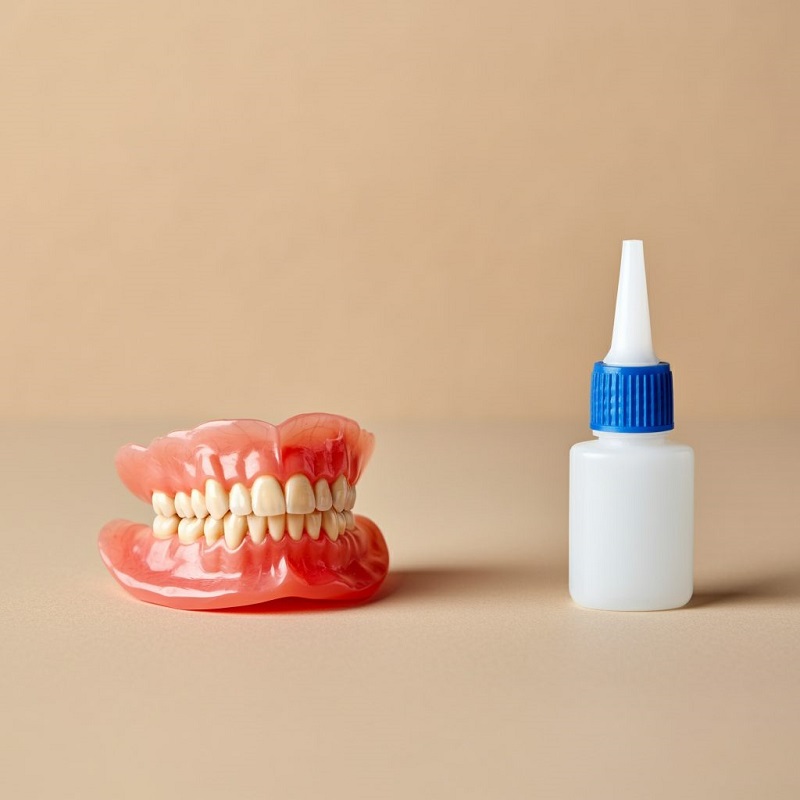
Safe Alternatives to Super Glue for Dentures
If your dentures are damaged, there are safer options than using household glue. These alternatives are specifically designed for oral use and help reduce the risk of further damage:
- Denture repair kits – designed for temporary use, often using two-component systems that are less toxic and more suitable for dental materials
- Dental adhesives – can help stabilize loose or slightly damaged dentures until you can see a specialist
- Professional repair – the safest and most durable solution, using dental-grade materials that restore proper fit and function
These options are more reliable than household adhesives and help protect both your dentures and oral health. In most cases, a professional repair is the best long-term solution.
How to Choose the Best Denture Glue
Selecting appropriate materials for what type of glue to repair dentures requires careful consideration of multiple factors, though professional assistance remains strongly recommended by all dental health authorities. These contextual factors might guide emergency decision-making when no professional options are immediately available for your glue to repair broken dentures situation:
- Safety Documentation: Verify non-toxic certification specifically for oral applications and mucosal contact
- Material Compatibility: Ensure chemical suitability with acrylic, metal, or composite components used in dentures
- Application Precision: Consider packaging with helpful delivery systems that enable controlled placement
- Curing Duration: Recognize that extended setting periods often create stronger molecular bonds
- Cleanup Requirements: Understand the process for removing excess material before complete hardening
- Flexibility Characteristics: Consider whether the cured material maintains necessary slight flexibility
Best Types of Glue for Repairing Dentures
Professional dental laboratories utilize medical-grade acrylic glue for denture repair compounds that integrate chemically with existing apparatus materials through molecular bonding. These specialized materials create seamless, resilient repairs completely unmatched by any consumer products currently available. The curing process involves specific light or heat applications that cannot be replicated outside clinical settings.
For those wondering what kind of glue is used to repair dentures in a professional setting, the answer is always a dental-grade acrylic resin, never a consumer denture tooth repair glue. These medical-grade materials are specifically formulated to create a safe, strong, and hygienic bond that is chemically identical to the original denture base, ensuring a seamless and durable restoration that protects your oral health.
For truly urgent situations with no professional alternatives, some less problematic commercial options exist for those seeking best denture repair glue products:
- Specialized Repair Kits: Contain acrylic-based formulations specifically designed for limited dental applications
- Certified Adhesives: Products with regulatory approval for temporary oral use in emergency circumstances
- Dental Waxes: Temporary solutions for stabilizing pieces until professional repair can be obtained
Potential Risks of Self-Repair
Using any glue to repair dentures at home can lead to serious problems. While it may seem like a quick and inexpensive solution, improper repairs often cause more damage than the original issue.
The most common risks include:
- Toxic exposure: Household adhesives may contain chemicals that are unsafe for oral use
- Tissue irritation: Rough edges or excess glue can damage gums and soft tissues
- Poor fit and discomfort: Even a small misalignment can affect how dentures sit and function
- Weak bonding: Temporary fixes often fail during eating or speaking
- Permanent damage: Adhesive residue can make professional repair more difficult or impossible
Additional risks include:
- Bacterial buildup: Small gaps and rough surfaces can trap bacteria and increase infection risk
- Unpleasant odor: Improper repairs may lead to hygiene issues and bad breath
- Inflammation: Certain materials can cause ongoing irritation of oral tissues
- Allergic reactions: Some adhesives may trigger sensitivity or immune responses
- Digestive issues: Swallowed fragments or chemicals may affect the digestive system
- Choking risk: Loose pieces may detach and become a hazard during eating
- Nutritional impact: Poorly fitted dentures can make chewing difficult and affect diet
For these reasons, self-repair should only be considered as a temporary emergency measure.
When Repair is No Longer Possible?
Certain specific situations completely preclude successful restoration, frequently following multiple unsuccessful independent repair attempts. Complete denture replacement becomes medically necessary when these conditions exist:
- Multiple small fragments prevent accurate anatomical reconstruction
- Critical structural weaknesses compromise basic functionality and safety
- Previous adhesive applications cause irreversible chemical contamination
- Base distortion alters fundamental shape beyond clinical correction
- Existing multiple repair sites undermine structural integrity throughout
- Significant tooth displacement occurs from warped base materials
- Deep staining permeates fractured edges, preventing invisible repairs
Alternative prosthetic solutions including implant dentures offer enhanced stability and function for medically qualified candidates. These advanced options provide significantly improved chewing efficiency and security compared to conventional dentures.
Conclusion
Super glue should never be used to repair dentures. While it may seem convenient, it can cause serious damage and health risks.
The quest for household solutions to dental appliance damage often stems from immediate necessity and economic concerns. However, the numerous significant disadvantages of independent restoration typically outweigh all perceived short-term benefits. While temporary consumer products might appear conveniently inexpensive, these approaches generally create additional complications that ultimately increase costs and extend treatment time.
Consulting qualified denture specialists ensures appropriate damage assessment and competent handling using medically approved materials. Professional denture services maintain proper fit, optimal performance, and natural appearance while protecting overall oral wellness. When considering what is the best glue to repair dentures, remember that truly optimal outcomes derive exclusively from medical-grade compounds administered by skilled practitioners with specialized training rather than consumer goods applied without professional oversight. Your oral health deserves the highest standard of care available
Ready to Find Your Perfect Smile?
Understanding this clinical process – from the initial consultation through the denture surgery recovery period – empowers you to navigate the entire journey with confidence. Knowing exactly what to eat after denture surgery and having a realistic timeline for the denture surgery healing time prepares you for a smooth and successful recovery. By partnering with a trusted denture specialist and diligently following all post-operative guidelines, you can achieve a comfortable, functional, and aesthetically pleasing smile. Whether you choose traditional appliances or advanced upper denture implants, this journey represents a profoundly positive step toward regaining your oral function and overall confidence, ultimately enhancing your daily life and well-being through restored dental health.
Book a consultation today and let us help you or your loved one smile with confidence again
Taking care of your smile isn’t just about appearance — it’s about health, comfort, and being able to enjoy life’s little moments without worry. From family dinners to laughing with friends, dentures should support your lifestyle, not get in the way.
📞 Call now 587-966-3368 or 👉 Book Online




I have a crack in my denture. I recently broke a bone in my knee am unable to get to a denture clinic. I want to fix it in the mean time so it doesn’t get bigger. I live in Brandon Man. shop at Shoppers Drug Mart, if you could please give me some assistance I would really appreciate it.
Hello Elizabeth,
Thank you for your comment, and we’re sorry to hear about your knee injury — we hope you’re recovering well.
At this time, our clinic serves patients in the Calgary, Alberta area only, and unfortunately we’re not able to provide in-person denture repairs outside this region.
For a cracked denture, we strongly recommend avoiding household glues, as they can cause further damage. A local denture clinic or dental office in Brandon, Manitoba would be the best option, even for temporary advice.
We wish you a smooth recovery and hope you’re able to find local assistance soon.