

Last Updated on July 15, 2025 by Anastasiya Sivkova Denturist
Last Updated on July 15, 2025 by daria daria
Difference Between A Denture Clinic And A Dental Clinic
Choosing the right place for your oral care is essential. But with so many options available, it can be confusing to know whether a denture clinic or dental clinic best suits your needs. Patients often wonder about the services provided, the professionals involved, and the overall treatment process in each setting.
This article outlines the primary differences between the two types of facilities. We’ll explore what a denture clinic is, how it compares to a dental clinic, and help you decide where to go for your specific oral health needs. We’ll also compare the denture lab vs dental office dynamic and guide you through the benefits of specialized denture care.
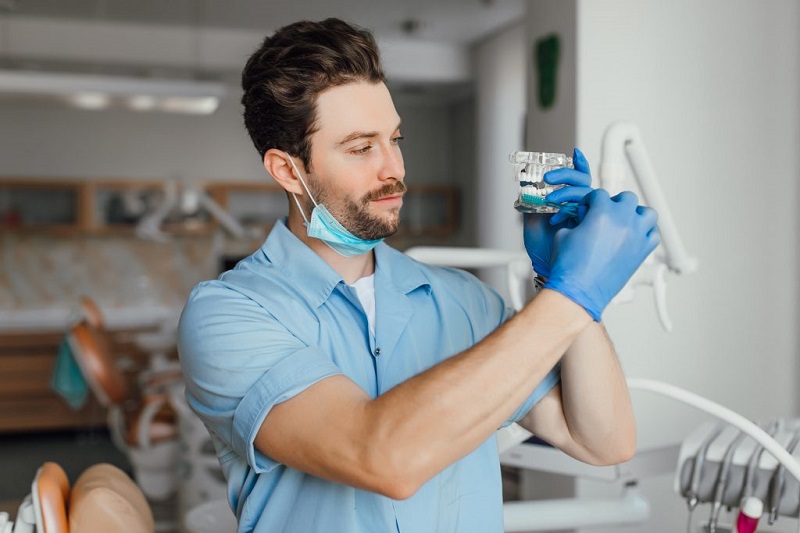
What Is a Denture Clinic-
A denture clinic is a specialized setting focused on the design, creation, fitting, and maintenance of removable prosthetics. Operated by a licensed denturist, it caters specifically to patients dealing with tooth loss who need full or partial appliances.
Unlike general dental centers, a denture clinic does not perform fillings or surgeries. Instead, it provides customized appliances and related services such as adjustments and relines. Many also feature in-house labs, allowing faster turnaround times. Learn more at our dentures services.
Patient education is another key focus. Denturists ensure clients know how to clean and wear their prosthetics properly, extending the appliance’s lifespan.
Additionally, denture-focused centers often cater to a demographic that requires compassionate, slower-paced care. Elderly patients, for example, frequently visit these practices for long-term prosthetic solutions. These spaces emphasize comfort and long-term functionality.
These facilities also contribute significantly to restoring patients’ confidence by crafting prosthetics that replicate the natural appearance of teeth. The aesthetics of modern dentures have improved drastically, and denturists are trained in ensuring that form meets function for every case.
Moreover, such clinics often provide a more personalized and focused experience since they exclusively deal with prosthetics. The limited scope allows for in-depth attention and streamlined care without the distractions of broader oral treatments.
What Is a Dental Clinic-
A dental center is a general oral health facility offering comprehensive care. Staffed by dentists, hygienists, and assistants, it handles everything from exams and x-rays to cleanings, fillings, crowns, and surgical interventions.
Some dental practices include prosthetics, but often through external labs or denturist referrals. The core goal is maintaining oral health through preventative and restorative treatments.
Many dental centers now integrate cosmetic services, such as whitening or veneers, into their offerings. This makes them more of a one-stop shop for those seeking complete smile makeovers. Still, this doesn’t always guarantee expertise in removable prosthetics.
Oral care clinics typically operate in larger healthcare networks and may be located in hospitals or multi-disciplinary medical centers. This infrastructure allows for referral systems and collaboration with other medical professionals.
Denture Clinic vs Dental Clinic: What’s the Difference-
Types of Services Provided
- Denture-Focused Facility:
- Custom removable appliances
- Repairs, relines, and rebasing
- Implant-retained prosthetic consultations
- General Oral Care Facility:
- Cleanings, exams, and x-rays
- Fillings, root canals, and crowns
- Extractions and other procedures
Qualifications of Practitioners
- Denturists specialize in removable prosthetics, completing focused post-secondary education.
- Dentists receive broader training in oral health, handling a wide variety of clinical procedures.
Equipment and On-Site Facilities
- Denture Practices may include on-site labs, enabling real-time adjustments.
- Dental Practices typically house diagnostic and treatment equipment for various conditions but rely on outside labs for prosthetic work.
Treatment Process and Patient Flow
- Denture-Oriented Centers offer streamlined service — consultation, impressions, and fittings in one location.
- Dental Facilities may involve several appointments and different staff for full service.
Patients choosing a denture provider often benefit from quicker turnaround times, since the appliances are made in-house. This contrasts with general clinics, where prosthetics may take longer to arrive due to outsourcing fabrication.
Additionally, the pricing structures differ. Denture practices often have more transparent and focused pricing models specific to prosthetic work, which may help patients better understand their financial commitment upfront.
Denture Lab vs Dental Office
A denture lab is where technicians manufacture prosthetics based on impressions and instructions. It’s not a patient-facing facility.
A dental office, in contrast, is where patients receive treatment. Dentists may not fabricate dentures in-house, often depending on labs or denturist partnerships.
Advanced denture labs increasingly use technologies like 3D scanning and digital printing, commonly integrated into denture clinic workflows.
The focus in labs is precision, while treatment offices prioritize diagnosis and planning. The synergy between these spaces helps ensure that final appliances match both anatomical needs and aesthetic preferences.
While a denture lab does not directly serve patients, it plays a vital behind-the-scenes role in ensuring the success of prosthetic treatments. Patients benefit indirectly from the precision and innovation happening within these labs.
If your priority is getting well-fitted, personalized prosthetics, a denture-focused facility is often the better choice. Benefits include:
- Access to a denture specialist without referral
- In-house fabrication for speed and quality
- Focused consultations and care plans
However, those needing full-spectrum oral care — including routine cleanings or surgery — should consider visiting a general oral care center.
When unsure, a dental provider can guide you or refer you to a qualified denturist. Or, start directly with a consultation at Alberta Dentures to explore your options.
In some cases, a combined approach is best. Patients might use both clinic types —receiving cleanings and checkups in one, and visiting the other for specific prosthetic care. This hybrid path ensures well-rounded oral support.
Always evaluate your specific needs. If you wear full or partial dentures, starting with a practice that specializes in prosthetics may save time and yield better results.
In summary, your decision between a denture clinic vs dental clinic hinges on what you need most — specialized prosthetic care or general oral treatment.
By understanding the differences in denture services vs dental services, you can confidently choose the right provider. Whether you’re exploring new appliances or maintaining your current ones, choosing the proper clinic ensures effective, lasting results for your smile.
Both types of facilities play crucial roles in overall oral health. Identifying your priorities and speaking to licensed professionals can guide you toward better outcomes. Make your choice based on your goals, not guesswork.
No matter which option you choose, prioritize care that aligns with your long-term comfort, function, and confidence. The right choice today can make a lasting difference in your oral health tomorrow.