

Last Updated on April 20, 2026 by albertadentures
When replacing missing teeth, the material your new smile is made from matters just as much as the fit. Different denture materials affect how your appliance feels, how long it lasts, how much it costs, and how natural it looks.
In this article, we’ll walk through the most common types of denture materials available today. Whether you’re getting your first set or thinking about switching, this guide will help you understand what to expect from each option.

Overview of Denture Materials
Denturists use several denture material options to create custom-fitted oral appliances. Each type serves different functions and has a unique combination of benefits and trade-offs.
The most common materials are:
- Acrylic resin – affordable, adjustable, and widely used
- Cobalt-chromium alloy – slim and long-lasting
- Porcelain – highly natural-looking but heavier
- Flexible nylon – soft and great for sensitive gums
This basic denture material comparison outlines how to choose the right option based on comfort, appearance, and wear longevity.
In addition to traditional choices, the development of biocompatible polymers has expanded options for patients. These newer solutions offer greater flexibility without compromising strength. As technology evolves, it’s important to remain open to exploring materials that fit your needs today and in the future.
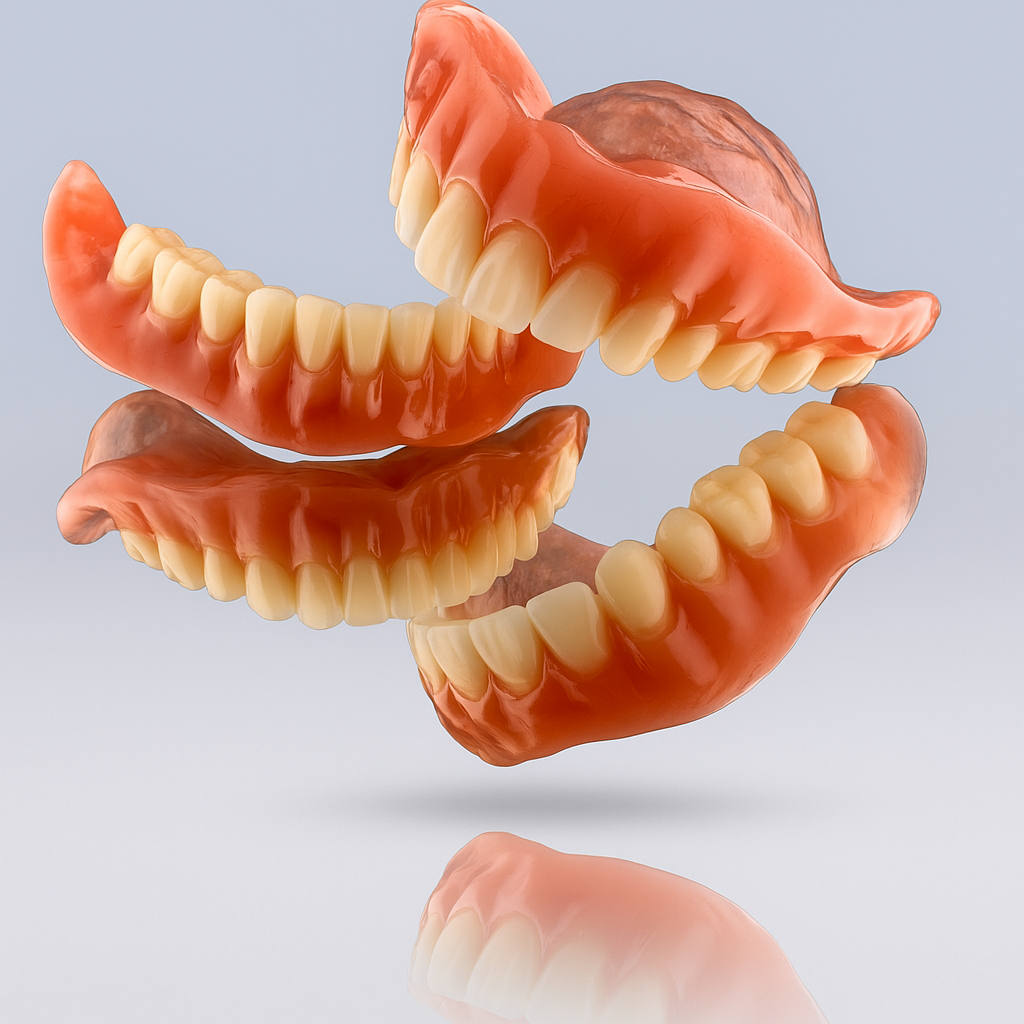
Understanding Denture Composition
Every denture is made up of two essential components that work together to restore both function and appearance.
The denture base is the part that sits directly on the gums. It is typically designed to mimic the natural color of gum tissue and can be made from acrylic, flexible polymers, or other advanced materials. The choice of base material affects comfort, fit, and how well the denture adapts to changes in your oral structure over time.
The artificial teeth are responsible for chewing efficiency, speech clarity, and overall aesthetics. They can be made from acrylic resin, porcelain, or composite materials, each offering a different balance of durability, appearance, and weight.
The combination of these two elements determines how your denture performs in daily life. Factors such as flexibility, resistance to wear, and maintenance requirements all depend on the materials used in both the base and the teeth.
Comparing Denture Teeth Options
Different materials used for denture teeth can significantly influence appearance, comfort, and longevity. Below is a simple comparison to help you understand the key differences:
| Material | Appearance | Durability | Weight | Best For |
| Acrylic Resin | Natural-looking | Moderate | Lightweight | Budget-friendly full dentures |
| Porcelain | Highly aesthetic | High (but brittle) | Heavier | Premium, natural smile |
| Composite Resin | Balanced aesthetics | Good | Medium | Everyday wear with durability |
| Flexible Polymer | Gum-blending | Moderate | Very light | Sensitive gums, comfort-focused |
Choosing the right denture teeth material depends on your priorities. Patients who value aesthetics may prefer porcelain, while those seeking affordability and easy maintenance often choose acrylic options.
What is the Most Affordable Denture Material
Acrylic is the most budget-friendly choice available today. It’s easy to produce, lightweight, and relatively simple to repair or reline. That’s why it’s so often used for temporary, transitional, or full lower-cost options.
Although it may not last as long as metal or porcelain, acrylic is a practical and effective solution for patients just starting out, or for those who need short-term replacements due to gum changes.
Find out more on the Acrylic dentures page or browse full offerings at Alberta Dentures.
Acrylic Dentures: Pros and Cons
Acrylic appliances are favored for full sets due to their cost, ease of use, and fast production times. Here’s how they compare:
Pros:
- Low price point
- Easily adjusted or relined
- Matches natural gum colour
- Lightweight and widely available
Cons:
- Less durable
- Can absorb odours or stain over time
- More prone to fractures than other materials
While it’s not the longest-lasting option, acrylic is still the best material for dentures for many patients, especially in the early stages of wear.
Modern acrylics are available in enhanced formulations that resist staining and minimize odor buildup, offering patients a better day-to-day experience. Talking to your denturist about upgraded acrylic options may extend the life of your dentures considerably.
Metal-Based Dentures: Strength and Stability
Cobalt-chrome metal is primarily used in partial sets due to its slim structure and superior durability. These devices are strong and tend to last significantly longer than those made from plastic.
Advantages:
- Long lifespan
- Strong bite support
- Minimal bulk
- Resists heat and pressure changes
Disadvantages:
- More expensive
- Some visibility of clasps
- May not suit all upper-jaw cases
Learn more on our Metal dentures page.
Types of Dentures and Their Materials
Dentures are designed in different forms depending on how many teeth need to be replaced and the level of support required. Each type uses specific materials to achieve the best results.
Complete Dentures
Used when all teeth in the upper or lower arch are missing. These are most commonly made from acrylic resin, offering a balance between affordability, functionality, and natural appearance.
Partial Dentures
Ideal for patients who still have some natural teeth. These dentures often combine acrylic bases with cobalt-chromium frameworks for added strength and stability.
Flexible Dentures
Made from soft thermoplastic materials, these dentures adapt easily to the shape of the gums. They are especially beneficial for patients who experience discomfort with rigid materials.
Implant-Supported Dentures
These advanced solutions are anchored with dental implants, often incorporating titanium components for maximum stability. The visible part may still use acrylic or porcelain teeth for a natural look.
The materials used in each denture type directly impact comfort, durability, and overall performance. A personalized consultation helps determine which combination will best suit your lifestyle and oral health needs.

Which Denture Material Lasts the Longest
When it comes to lifespan, metal-based options outperform other materials. They can easily last 10 to 15 years or more with routine care. Porcelain teeth are also known for their longevity, although they may be prone to chipping if dropped.
By contrast, acrylic may need replacement or relining after five to seven years, depending on how it’s maintained. Flexible materials may wear faster but provide excellent comfort.
If you want fewer replacements over time, metal and porcelain are often your best bets.
Can I Switch Materials If My Current Set Causes Discomfort
Every person is different, and your ideal choice depends on your bite, budget, gum health, and lifestyle. Here’s a quick guide:
- Cost: Acrylic is ideal for affordability
- Bite Strength: Choose metal for high pressure
- Look: Porcelain mimics natural enamel
- Fit: Nylon conforms to soft tissues
- Maintenance: Acrylic is easiest to adjust
- Longevity: Metal outperforms other types
Consulting with a professional will help you find a material that checks all your boxes and provides long-term satisfaction.
New Innovations in Denture Design
Beyond traditional options, modern dentistry is evolving. New materials like reinforced acrylics and printable resins combine strength, esthetics, and flexibility. These options allow for more natural movement, improved bite distribution, and faster production times.
Some hybrid options even allow customization of texture and thickness for ultra-personalized comfort. Though these are still emerging, many clinics are beginning to offer these innovative solutions.
Innovations such as 3D-printed denture bases and high-impact polymers are transforming how oral prosthetics are designed and manufactured. These advancements not only speed up turnaround times but also offer better precision and consistency compared to traditional handmade models.
If you’re interested in trying new technologies, just ask during your consultation. We’re happy to explain the latest breakthroughs in comfort and durability.
Maintenance Tips for All Denture Types
No matter what material you choose, following basic care guidelines will extend the life of your appliance:
- Brush daily using non-abrasive products
- Rinse after meals to prevent buildup
- Soak overnight in a recommended solution
- Handle with care to avoid drops
- Schedule checkups to monitor fit and wear
Regular maintenance will help reduce the frequency of adjustments and keep your appliance looking great. Use special solutions for cleaning, minimize the usage of the regular toothpaste (as it can cause the damage to the denture).
Choosing among denture materials doesn’t have to be overwhelming. With some knowledge and the right support, you can select a material that’s perfect for your goals.
At Alberta Dentures, we offer traditional acrylic dentures, long-lasting metal dentures, and custom solutions designed for real-life comfort.
Not sure where to begin- Contact our clinic today. We’ll guide you toward the most reliable and comfortable fit for your lifestyle.