
Last Updated on December 12, 2025 by albertadentures
Adjusting to a new dental prosthesis is a significant life change. Many wearers experience discomfort, leading to common problems with dentures. Soreness can be frustrating and impact daily life. This comprehensive guide explores typical causes behind oral discomfort and addresses key issues with dentures. We provide actionable solutions and professional insights. Our goal is to help you understand and resolve these issues. Knowledge brings confidence and relief. Let’s examine the potential reasons together.

Is It Normal for New Dentures to Hurt?
A frequent question is, is it normal for new dentures to hurt? Initial soreness is frequently expected. Your oral tissues require a period of adaptation. Soft gums and cheeks are not accustomed to the new appliance. A reasonable adjustment phase is completely normal. Mild irritation may occur during these early weeks. However, persistent, sharp, or localized pain is not typical. General discomfort from new dentures hurt should gradually decrease over time. Understanding this distinction is crucial for every new wearer.
Common Reasons Why This Prosthesis Hurts
Several distinct factors can create painful experiences, answering the core question: why do my dentures hurt? Correctly identifying the precise source is the essential first step toward an effective solution.
Poor Fit or Pressure Points
This remains a primary cause of significant discomfort. The appliance must rest evenly and gently on your gum ridges. An imprecise fit creates specific, concentrated pressure points. These isolated spots bear excessive force during chewing or talking. This quickly leads to painful sores and ulcerations, a classic sign of dentures hurting gums. Continued use inevitably worsens the irritation. A professional denture specialist can expertly identify these problematic areas. They perform precise, careful adjustments for better, even pressure distribution.
Gum Irritation and Inflammation
Constant contact can inflame delicate tissue. Inadequate hygiene dramatically accelerates this common problem. Tiny food particles trapped underneath act as a persistent abrasive. This causes generalized redness, swelling, and tenderness. Allergic reactions to acrylic or metal materials are rare but possible. Significant inflammation makes every day wear genuinely uncomfortable.
Bite Alignment Issues
If your dental appliance does not meet correctly, serious problems arise. An unbalanced, improper bite places unusual stress on your jaw joints (TMJ). It also creates uneven, damaging pressure on your gums. This often leads to chronic headaches, jaw muscle pain, and recurrent sore spots. Proper, careful alignment is absolutely essential for long-term comfort and function.
Bone Loss Under the Appliance
The jawbone naturally and continuously changes shape following tooth loss. It gradually resorbs and shrinks over the years. This slow process fundamentally alters the foundation. A once-perfect fit becomes progressively loose and unstable. This movement then causes constant friction and painful sores. This is a key reason why older removable dentures may suddenly start hurting after years of good service.
Why Do Partial Dentures Hurt?
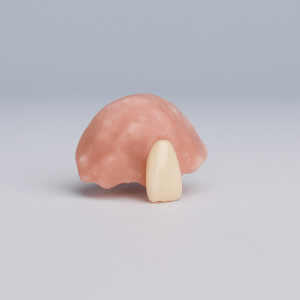
Many patients ask, why do my partial dentures hurt? or state, my partial denture hurts. Partial appliances present their own unique challenges. They typically clasp onto remaining natural teeth for stability. These clasps can place undue pressure on these abutment teeth. The different movement between natural teeth and the partial can cause soreness. Meticulously cleaning underneath the metal or acrylic framework is vital. Trapped debris leads to plaque buildup and gum disease around your precious remaining teeth, significantly increasing pain, a specific case where my new partial denture hurts.

Pain From New or Immediate Prosthetics
The specific issue of immediate denture gums hurting is a frequent concern. These are placed immediately following tooth extractions. Your gums and underlying bone are actively healing and changing shape rapidly. As postoperative swelling subsides, the appliance’s fit changes dramatically. Frequent, necessary adjustments by your experienced specialist are critical during this initial healing phase. This is a temporary but sometimes uncomfortable and expected process, often part of why new dentures hurt.
What to Do If Your Dental Appliance Hurts
You should never suffer in prolonged silence when your dentures hurt. Taking appropriate action can resolve most common issues efficiently.
At-Home Relief
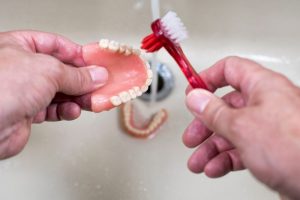
Always give your gums a scheduled break. Remove the prosthetic for several hours each day, preferably overnight. Rinse your mouth gently with warm salt water to soothe inflammation. Ensure you are cleaning the device thoroughly with proper products daily. Over-the-counter adhesives can offer temporary stability for loose appliances, but they are not a permanent fix for a poor fit. Never attempt to adjust or file the prosthetic yourself; this almost always causes irreversible damage.
When to See a Denturist
Persistent pain absolutely requires professional attention. If you have specific, identifiable sore spots, your clinician can skillfully adjust the acrylic in minutes. If the appliance feels loose, rocks, or causes chewing difficulty, a professional reline may be urgently needed. For significant bone loss causing chronic instability and pain, discuss advanced, permanent solutions like upper denture implants for superior, lifelong stability. A timely professional visit to Alberta Dentures ensures your long-term oral health and comfort.
How to Prevent This Pain in the Future
Proactive, consistent care successfully minimizes future problems with dentures. Maintain impeccable daily hygiene for both your mouth and the appliance. Attend annual check-up appointments with your specialist, even if you feel no obvious pain. They can detect subtle changes in fit or oral tissues early. Consider a professional reline every two to three years to compensate for natural bone loss. A well-maintained, properly fitting prosthetic is a comfortable and reliable one.
Discomfort from dental prosthetics is a common but highly solvable issue. Initial adjustment involves expected, manageable mild soreness. Lasting pain often stems from an imperfect fit, bite misalignment, or natural changes in your mouth’s structure. Partial and immediate appliances have their own specific considerations. Effective solutions range from simple, prudent home care to essential professional adjustments and repairs. Regular visits to your trusted denturist at Alberta Dentures are the ultimate strategy for ongoing, worry-free comfort. You truly deserve to live and smile without persistent pain.

Book a consultation today and let us help you or your loved one smile with confidence again
Taking care of your smile isn’t just about appearance — it’s about health, comfort, and being able to enjoy life’s little moments without worry. From family dinners to laughing with friends, dentures should support your lifestyle, not get in the way.
📞 Call now 587-966-3368 or 👉 Book Online