
Last Updated on January 30, 2026 by admin
Experiencing changes in flavor perception is not uncommon for individuals who wear dental prosthetics. While restoring function and aesthetics, these devices may also subtly interfere with how food and drinks taste. This article explores the reasons behind these changes, what influences them, and how to minimize their impact on your eating experience.
Understanding the Relationship Between Dentures and Taste

The Role of Taste Buds and Oral Anatomy
Your sense of flavor is a complex combination of taste buds, olfactory function, and texture perception. While most taste buds are located on the tongue, some are found on the roof of the mouth and inside the cheeks. When the roof of the mouth is covered, this may slightly reduce the ability to detect certain flavors.
How Dentures Interact with the Roof of the Mouth
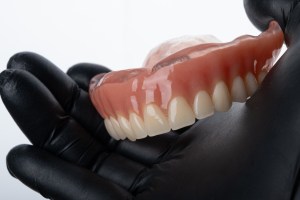
Upper prosthetics typically cover the palate, which can hinder the tongue’s contact with the roof of the mouth. This can dull flavor perception, especially for sweet or salty tastes. New wearers may notice food feeling different in the mouth, as textures are processed differently without direct gum interaction.
Over time, most patients adapt to these changes. However, understanding the mechanisms behind them empowers you to take proactive steps to reduce the impact.
Types of Dentures and Their Impact on Taste
Full Dentures and Palatal Coverage
Complete upper prosthetics often involve full coverage of the hard palate. While they provide a stable solution for tooth loss, they also insulate the roof of the mouth from stimuli, which may impact flavor reception.
Partial Dentures and Minimal Interference
Partial designs tend to have less coverage and allow more natural contact between the tongue and oral tissues. As a result, they typically cause less disruption to flavor perception.
Additionally, removable devices vary in how they interact with the oral cavity, depending on how much surface they cover and the materials used.
Common Taste Changes Reported by Denture Wearers
Reduced Sensitivity to Flavors
Some users report that food tastes more bland or metallic after they begin wearing oral prosthetics. This is usually due to the acrylic base covering taste-sensitive areas or saliva dilution.
Altered Perception of Temperature and Texture
Beyond flavor alone, temperature and texture also influence eating pleasure. A prosthesis may slightly insulate hot or cold sensations, dulling their impact. Additionally, artificial materials affect how the tongue perceives textures like crunchiness or creaminess.
Adaptation Period and Long-Term Effects
For many patients, these issues improve over time as the brain adapts to new oral stimuli. Within a few weeks to months, most people regain a satisfying eating experience.
New wearers should give themselves grace during this transitional phase. Gradually introducing familiar foods can help retrain the senses.
Factors That Influence Taste Alteration
Fit and Stability of the Prosthetic
Ill-fitting oral appliances may shift during chewing, causing discomfort and distraction that affects enjoyment of food. Poor suction or movement may also create space where food particles get trapped, further reducing taste clarity.
Oral Hygiene and Cleaning Products
Cleaning agents play a role in how meals are perceived. Strong-smelling cleansers can leave residue, giving meals an unpleasant aftertaste. Proper rinsing and use of neutral cleansers is essential to avoid unwanted flavor carryover.
Saliva Production and Dry Mouth
Saliva helps dissolve food particles and activate taste receptors. If an oral device contributes to dry mouth, it may diminish flavor recognition. This is especially common in older adults or those taking medications that affect hydration levels.
Dry mouth can also lead to increased plaque accumulation, which further affects taste and oral comfort.
Tips to Minimize Taste Interference
Use of Implant-Supported Options
Implant-supported alternatives eliminate the need for full-palate coverage. They are fixed directly to the jaw and offer increased comfort and minimal obstruction. Many patients find their ability to enjoy food improves significantly with this style.
Choosing the Right Materials
Some materials are more inert and less likely to carry residual odors or aftertastes. Biocompatible designs may also interact more gently with oral tissues, supporting a more natural sensory experience.
Regular Adjustments and Check-Ups
Routine visits help ensure proper fit, which is critical for both function and flavor. If you’re noticing reduced taste, it may be time for a realignment or relining appointment.
Consider Dietary Adaptations
You may also find it helpful to:
- Focus on highly aromatic meals that stimulate multiple senses;
- Use varied seasoning blends like lemon zest, garlic, or fresh herbs;
- Choose meals with a variety of temperatures and textures;
- Reduce overly processed foods that already lack natural flavor profiles;
- Incorporate colorful vegetables to engage visual cues and increase satisfaction.
When to Talk to a Denturist
Signs Your Prosthetic May Be Affecting Taste
If you consistently find food less flavorful, experience discomfort, or notice a chemical aftertaste, your appliance may need evaluation. A denture specialist can assess the fit, materials, and hygiene practices contributing to the issue.
Evaluation and Personalized Solutions
A professional consultation allows your provider to offer tailored recommendations. These may include switching to a different prosthetic style, exploring adhesive alternatives, or adjusting cleaning routines.
Strategies for Enhancing Taste While Wearing Prosthetics
- Add texture to meals by including crunchy vegetables or toasted toppings;
- Use herbs and spices to amplify natural flavors without relying on salt;
- Avoid heavily processed foods that may already have reduced flavor intensity;
- Alternate bites between different foods to reset your taste palate;
- Stay hydrated before and during meals to aid saliva flow and flavor delivery;
- Consider zinc-rich foods or supplements, which support the sense of taste.
Combining these techniques with a proper-fitting oral appliance helps you get the most enjoyment from every meal.
Nutrition and Emotional Connection to Flavor
Eating is not just physical nourishment but also an emotional experience. When flavor is diminished, it can reduce meal satisfaction and lower enthusiasm for social dining. By addressing changes early and working closely with your denturist, you preserve both your health and your quality of life.
Maintaining a balanced diet is vital. When taste diminishes, people often gravitate toward salty, sweet, or fatty foods to compensate. This may lead to unhealthy habits. Emphasizing varied ingredients and frequent hydration helps protect both your nutrition and enjoyment.
Over time, many patients regain much of their eating enjoyment. Patience and support from your dental care provider are key to a successful adjustment.
Exploring Advanced Options at Alberta Dentures
We offer innovative solutions, including Implant Dentures, which reduce oral obstruction and provide a better experience for flavor perception. If you’re considering an upgrade, options like Immediate Dentures ensure a smooth transition while maintaining essential oral functions.
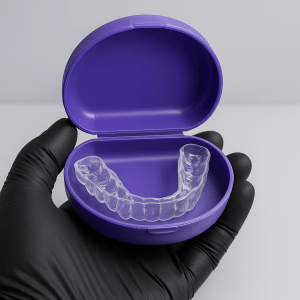
Patients experiencing chronic discomfort or sensitivity might also benefit from custom Mouthguards in Calgary, especially if they clench their teeth or suffer from nighttime grinding.
Ask about our digital design capabilities that allow for thinner, more customized prosthetics to enhance both taste and comfort.
Innovations in Taste-Preserving Prosthetics
The latest developments in prosthetic dentistry aim to improve the experience for wearers in multiple ways. Digital scanning and 3D printing now allow for thinner and more accurate fits that reduce palate interference. These designs maintain structural integrity while enhancing the taste experience.
Researchers are also exploring new biocompatible materials that avoid the absorption of food odors or chemical residues. This helps eliminate unwanted aftertastes and allows flavors to be experienced more naturally. Combined with patient feedback and clinical trials, these technologies are leading to more refined and user-friendly products.
Psychological Impact of Flavor Loss and How to Overcome It
Losing a sense of flavor may lead to decreased interest in meals, reduced social engagement, and even weight fluctuations. Addressing these emotional changes is just as important as managing the physical fit. Working with a professional team that understands these nuances helps restore both function and joy to your daily life.
Behavioral strategies such as mindful eating, aroma therapy, and regular dental visits can assist in regaining taste satisfaction. Emotional support from friends, family, or support groups also plays a vital role in recovery.
Schedule Your Taste Evaluation Today
Have you noticed your meals tasting different lately? You’re not alone — and you don’t have to settle. At Alberta Dentures, we prioritize solutions that not only restore your smile but also preserve the joy of eating.
Let us help you rediscover the flavors you love. Whether you’re adjusting to a new device or exploring alternatives, our team is here to guide you every step of the way.
Book a Consultation with Alberta Dentures
Explore Comfortable, Taste-Preserving Denture Options
Our clinic helps patients regain a full, enjoyable eating experience through advanced technologies and personalized care.
Start Enjoying Your Meals Again with Confidence
Don’t let changes in flavor hold you back. Discover options designed to work with your body — not against it.
Regain the Joy of Flavor — Book Your Free Consultation Today!
Discover taste-preserving oral solutions that fit your needs. Contact Alberta Dentures for expert care.
Don’t Let Dentures Dull Your Taste!
Explore alternatives like implant-based or lightweight designs for improved comfort and sensory experience.