

Last Updated on April 20, 2026 by albertadentures
Wearing removable teeth should feel almost invisible — no rocking when you laugh, no pinching when you chew, no adhesive emergencies at brunch. When a plate suddenly wobbles, pinches, or raises sore spots, your mouth has changed — even if the appliance itself looks intact. Ignoring early clues can trigger ulcers, accelerate bone loss, and balloon repair costs. This guide explains precisely when denture adjustments and relines are essential, how each service restores comfort, and why timely care keeps your smile stable for years to come.
What Are Denture Adjustments and Relines?

A professional denture adjustment is a precise process that improves how your appliance sits against the gums and aligns with your bite. Over time, even small shifts in the jaw can affect stability, leading to discomfort or reduced chewing efficiency. Regular denture adjustments help correct pressure points, improve retention, and restore natural function.
In some cases, it may be necessary to rearrange the denture to restore balance between the upper and lower teeth. This ensures an even distribution of bite force, preventing excessive wear and reducing stress on the jaw muscles. Simultaneous correction avoids more complex procedures in the future.
Understanding the Purpose of Adjustments and Relines
- Adjustments = minor trimming, polishing, or clasp-tightening that removes pressure points and stops rocking.
- Relines = resurfacing the entire fitting surface with fresh acrylic or silicone, compensating for bone changes.
Together, these services form the clinical denture adjustments and relines definition accepted by denturists across Alberta. Learn more about our full range of professional denture care services that help restore comfort, function, and aesthetics.
How They Improve Fit and Function Over Time
A precise reline revives suction, re-centres your bite, restores efficient chewing, and lets you pronounce “f,” “s,” and “th” crisply again. Regular adjustments prevent acrylic from digging into delicate tissue and preserve speech clarity.
When Do You Need One or the Other?
- Small hot-spots days after delivery → adjustment.
- Noticeable looseness after weight change, extraction, or two years of wear → reline.

Common Signs You Need a Denture Adjustment or Reline
When your appliance no longer fits snugly, it may be time to reline dentures to restore proper contact with the gums. A denture reline involves adding new material to the inner surface of the base, ensuring a secure and comfortable fit.
Unlike simple adjustments, relining addresses deeper structural changes caused by bone resorption and gum shrinkage. This process significantly improves stability, reduces irritation, and helps extend the lifespan of your appliance without requiring a full replacement.
Patients who delay relining their dentures often experience increased reliance on adhesives and decreased confidence when speaking or eating. Timely maintenance helps maintain comfort and function for years to come.
Dentures Feel Loose or Shift While Talking
If you subconsciously bite to steady plates — or if edges lift when you yawn — the suction seal is gone.
Sore Spots, Irritation, or Pain
Red patches under the base signal uneven load. Left untreated, they can evolve into ulcers and yeast infections.
Difficulty Chewing or Speaking Clearly
Switching back to soft foods or stumbling over consonants indicates lost vertical dimension or severely worn tooth surfaces.
Visible Cracks, Wear, or Changes in Fit
Hairline fractures spread fast; a preventive polish during an adjustment costs far less than a full remake.
Recent Weight Loss or Gum Shrinkage
Even five kilograms can alter ridge contours. Post-extraction bone remodels rapidly for twenty-four months.
Immediate Dentures: Adjustments and Relines
Immediate dentures require a different approach compared to conventional appliances, as they are placed during an active healing phase. Because the gums and bone structure change rapidly after extractions, maintaining a proper fit becomes an ongoing process rather than a one-time solution. Understanding the role of timely denture adjustments and relines is essential to ensure comfort, stability, and proper healing during this transitional period.
Why Immediate Dentures Require Close Monitoring
Immediate dentures are placed right after tooth extractions, when the gums are still swollen and healing. As the tissues begin to shrink and the bone remodels, the fit of the appliance can change very quickly. Because of this, multiple denture adjustments and soft relines are typically required during the first few months to maintain comfort and stability.
Managing Rapid Changes in Gum and Bone Structure
During the healing phase, your denturist will recommend a series of follow-up visits to evaluate fit and function. Soft liners or a temporary denture reline may be applied to improve adaptation as your mouth changes. Missing these appointments can lead to sore spots, poor retention, and bite misalignment. Regular care ensures the appliance continues to support proper healing and function.
Partial Dentures: Adjustments and Fit Optimization
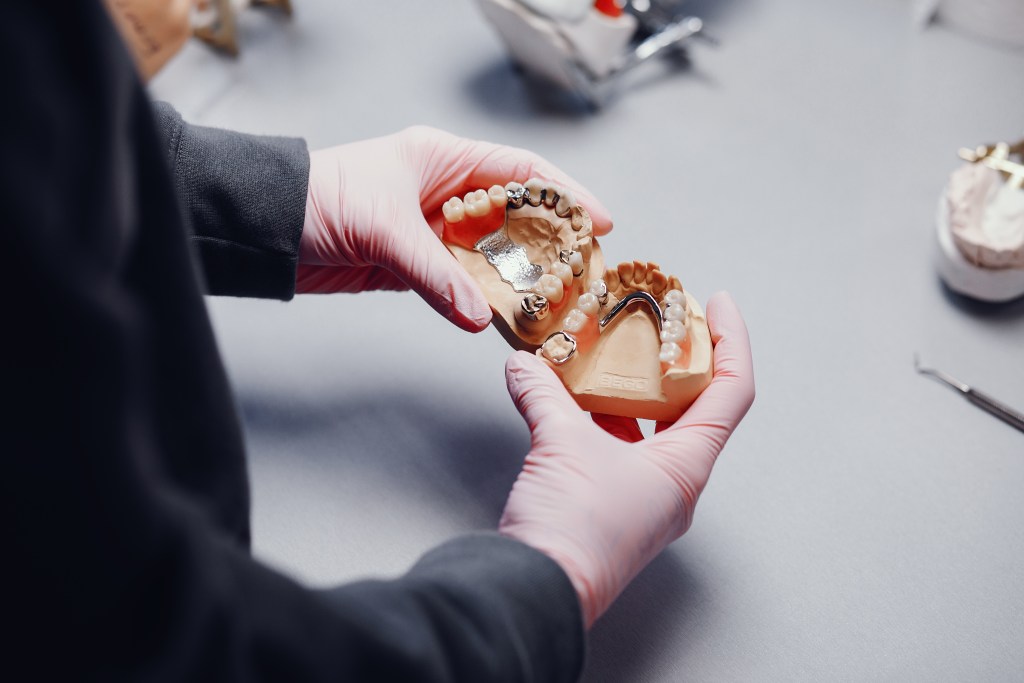
Partial dentures depend on both the gums and remaining natural teeth, making their fit more dynamic over time. As oral structures gradually shift, even a well-designed appliance may require periodic denture adjustments or realignment to maintain balance and function. Knowing how these changes affect your appliance helps ensure long-term comfort, better chewing efficiency, and protection of your natural teeth.
Why Partial Dentures Need Ongoing Adjustments
Unlike full dentures, partial appliances rely on existing natural teeth for support. Over time, these teeth can shift slightly, which may affect how the denture fits and functions. As a result, periodic denture adjustments are necessary to maintain balance, prevent uneven pressure, and ensure long-term comfort.
Maintaining Stability Around Natural Teeth
A professional denture reline can help restore proper contact between the denture base and the gums, especially in areas where gaps have formed. In addition, minor denture realignment and clasp tightening improve retention and reduce unwanted movement. This not only enhances comfort but also protects natural teeth from excessive stress and wear.
The Denture Adjustment & Reline Process Explained
Routine denture adjustments are essential for maintaining long-term comfort and function. Most patients benefit from professional evaluations every 6 to 12 months, even if no obvious issues are present.
During these visits, your denturist can identify early signs of wear, minor misalignment, or changes in gum structure. Preventive denture adjustment care helps avoid emergency repairs and ensures your appliance continues to perform as expected.
For patients with ongoing changes in oral structure, combining adjustments with periodic denture reline procedures provides the best results. This proactive approach minimizes discomfort and helps maintain optimal bite alignment.
What to Expect During Your Appointment
- Visual exam plus pressure-indicator paste to reveal high spots.
- Chair-side acrylic trimming for adjustments.
- Hard reline: impression inside the plate; fresh acrylic bonds at the lab the same day.
How Long Does the Process Take?
Adjustment ≈ 20 min • Soft reline ≈ 1 h • Lab hard reline: drop 9 a.m., collect 3 p.m.
Cost and Coverage Considerations
Most Alberta plans fund denture adjustments and relines denture services every two years. Flexible financing spreads any balance over six equal payments.
Long-Term Maintenance Schedule
| Year Post-Extraction | Recommended Service | Purpose |
| 0 – 1 | Soft liner every 3–4 months | Cushion rapid tissue change |
| 1 – 3 | First hard reline | Restore fit & bite height |
| 3 – 6 | Annual exam; reline if loose | Manage gradual bone changes |
| 6 – 10 | Consider remake | Acrylic & tooth wear |
Frequently Missed Red Flags
- Sudden whistle on “s.”
- Food packing under the flange.
- Adhesive usage climbing from pea-size to spoonful.
- Persistent appliance breath despite cleaning.
- Cheek biting on one side only.
Prompt partial denture adjustments and relines prevent compounded issues.
Technology Spotlight — Digital Pressure Mapping
Our T-Scan™ sensor captures bite force at 0.1-second intervals, revealing micro-imbalances invisible to the naked eye. Post-reline scans confirm even pressure, protecting bone and prolonging plate life.
If your denture base no longer fits comfortably, explore our specialized Relining Dentures service — a precise solution to restore bite balance and stability.

Home Fixes That Go Wrong
Attempting to fix your appliance at home can lead to permanent damage. Boiling, sanding, or using household adhesives may distort the base and create harmful bacteria buildup.
Professional denture adjustments and denture readjustment procedures are safer and more effective because they are performed taking into account the anatomy of the oral cavity. Referral to a specialist is always cheaper than a complete replacement of the structure after an unsuccessful repair. In addition, Alberta Dentures Clinic has the ability to send its dentures for a home visit to you.
Post-Reline Adaptation Tips
After a denture reline, it’s normal to experience a short adjustment period as your mouth adapts to the improved fit. Even though the goal of relining is to restore comfort and stability, minor sensitivity or changes in bite may occur initially. Following the right adaptation tips after a denture adjustment or reline can significantly speed up this transition and help you return to normal daily activities with confidence.
- Day 1–2: Soft but structured foods — scrambled eggs, steamed veggies.
- Day 3–5: Mirror pronunciation drills; recite tongue-twisters to refine speech.
- Nightly: Remove appliance; massage gums one minute to boost circulation.
- Week 2: Introduce firmer textures like apples; chew slowly on both sides.
- Week 3: Return for micro-adjust; five-minute polish eliminates tiny burrs.
- Quarterly: Re-do self-check: mirror, cheek-puff, tongue swipe, tap test, speech drill.
Alberta Seniors Benefit covers basic relines every 24 months; most private plans reimburse premium materials; interest-free payment plans require no credit check.
How often should I book a fit check? — Twice yearly. Small changes caught early mean quick, low-cost fixes.
Can a soft liner be permanent? — Silicone lasts 18–24 months, then hardens and must be replaced.
Will a reline change my smile? — Tooth height and shade stay identical; only the tissue side adapts.
Do partials need relines too? — Absolutely – gum shrinkage affects every saddle that rides on tissue.
Don’t Ignore the Signs — Get a Professional Evaluation
Changes in how your dentures feel or function should never be overlooked. Small issues like slight looseness or mild discomfort can quickly develop into more serious problems if left untreated. Seeking timely denture adjustments, a denture reline, or even a full denture realignment helps prevent complications and ensures your appliance continues to provide proper support, comfort, and performance.
When to Call Your Denturist
Subtle changes add up. Book an appointment if your appliance:
- feels loose, rocks when you chew, or needs more adhesive than usual;
- creates sore spots, ulcers, or red areas that don’t settle within 48–72 hours;
- clicks, lifts when you talk or laugh, or causes new lisping;
- traps food along the borders or under the palate;
- shows cracks, worn teeth, or a thinning base;
- follows a recent change in weight, new medication, extractions, or illness;
- hasn’t been checked in 12–24 months.
Early attention keeps a small pressure point from becoming a painful lesion and prevents avoidable remakes.
Preventing Further Oral Health Issues
A poor fit rubs tissues, invites fungal overgrowth, and accelerates ridge resorption. Chewing shifts to soft, low-protein foods, which can impact overall health. Jaw strain and headaches also become more common when the bite is off. Reduce risks by:
- scheduling timely adjustments at the first sign of rubbing or looseness;
- keeping a daily cleaning routine (brush the device, then soak in a non-abrasive cleanser; rinse thoroughly before wear);
- removing the appliance overnight to let tissues recover;
- avoiding very hot water and harsh chemicals that warp or weaken the base;
- bringing the device and your case history to each visit so occlusion, borders, and tissue health can be checked together.
Small, well-timed corrections — polishing a flange, re-establishing borders, or adding a soft liner—protect the mouth and extend the life of your prosthesis.
Professional Denture Care in Calgary
Properly maintained dentures do more than improve your bite — they protect your bone structure, support facial harmony, and prevent long-term oral health issues. At Alberta Dentures, we provide comprehensive care including relines, repairs, and new custom appliances designed to fit your lifestyle and budget.
Book a Reline or Adjustment in Calgary Today
Comfort can often be restored in a single visit. A typical appointment includes a fit assessment, pressure mapping, bite check, and targeted reshaping. If the base no longer matches your ridge, your clinician will recommend the right reline: a chairside temporary soft liner for immediate relief, or a laboratory hard reline for long-term stability. Many cases use digital scans to speed turnaround and improve precision.
If you’re noticing looseness, sore spots, or changes in speech or chewing, arrange an evaluation now. A quick adjustment — or a well-planned reline — can restore security, protect your oral tissues, and help you eat and speak with confidence again.
Uncomfortable Dentures? It Might Be Time for an Adjustment.
Loose fit, sore spots, or chewing trouble are red flags. Our Calgary team performs professional denture adjustments and relines that restore confidence.
📅 Schedule your consultation today and rediscover dependable comfort.
Don’t Wait Until It Hurts — Fix Your Denture Fit Now!
Even top-quality plates need periodic tweaks. Book with Alberta Dentures and return to smiling, eating, and speaking freely.
📞 Call now 587-966-3368 or 👉 Book Online