How Anastasiya Sivkova is redefining modern denture care — and why the coming year will be a turning point

Tell us about your professional journey — what led you to creating Alberta Dentures?

Anastasiya Sivkova: I have been in the dental field since an early age receiving my dental assistant diploma the same year I graduated high school, so I was always present in the dental environment as I was attending university. What drew me to specialize in dentistry specifically – working with my hands was always something I naturally excelled at, so it was a no brainer when something I did well – interacting with patients in direct clinical setting, and something I loved to do – making things with my hands presented themselves in practice of Denturism. Throughout my career I was able to integrate my diverse interests by doing research on dental materials, becoming a lecturer for a new hypoallergenic alternative to acrylic for denture manufacture, volunteering in Africa creating dentures for residents of underserved remote areas and tiny villages. Denturism became more than a job, but a passion, and as I honed my skills I decided to dream of a workplace where my high standards of care were practiced on a daily basis. This has been a start of Alberta Dentures.

How would you describe the current state of denture and restorative dental care in Alberta? What challenges are you solving for patients?

Anastasiya Sivkova:  Patients come with many challenges, and the longer I work, I still get surprised with an occasional complex case where standard protocols fail. From the perspective of the patients there are common challenges to denture wear in general that are seen very often. Ill fitting worn dentures cause damage to underlying tissues and create problems way beyond what a well maintained denture would. We see a lot of cases where dentures are not an optimal solution and further treatment is needed to have success, however implant treatment is not always an option due to cost and other factors. 

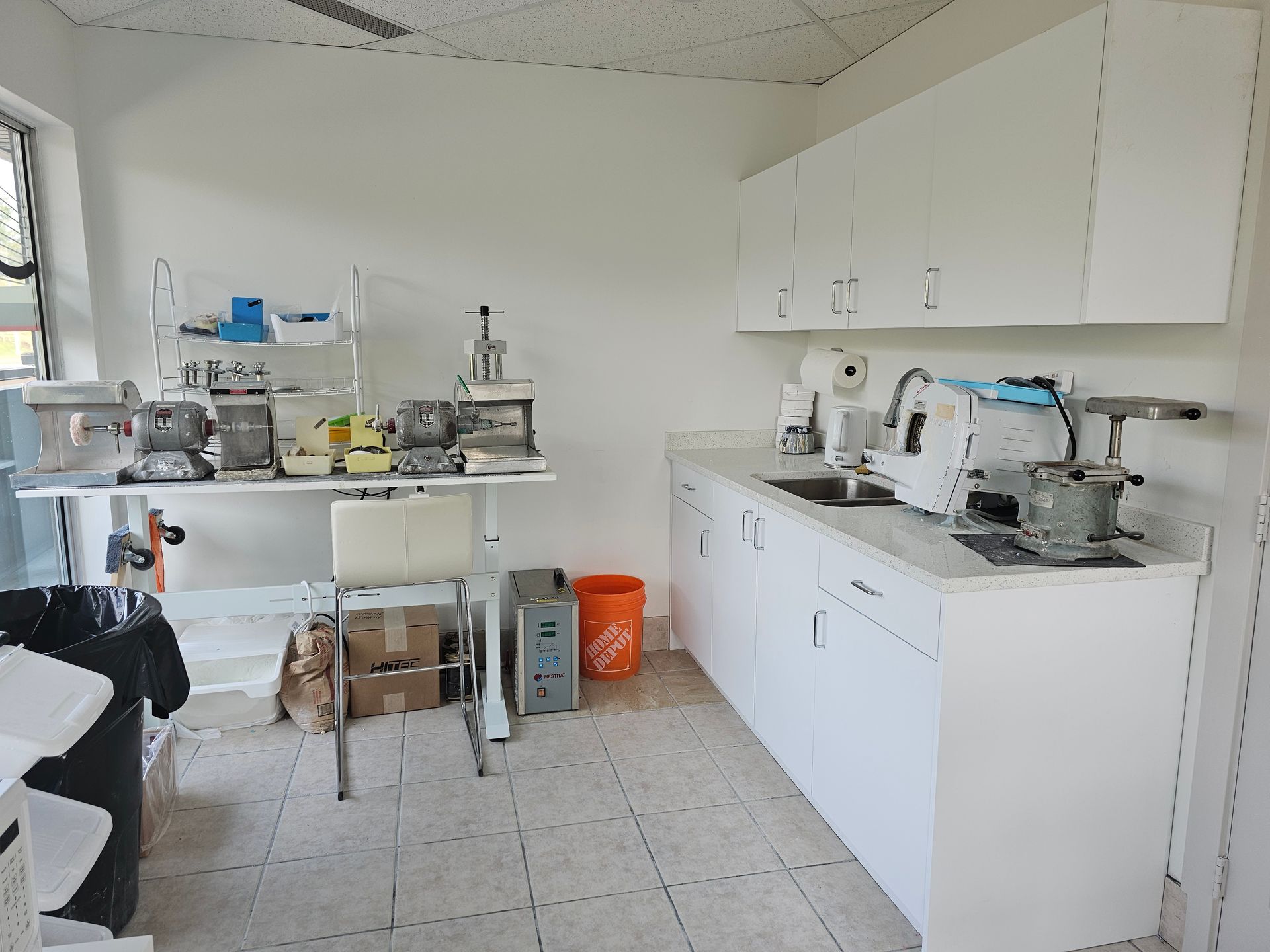
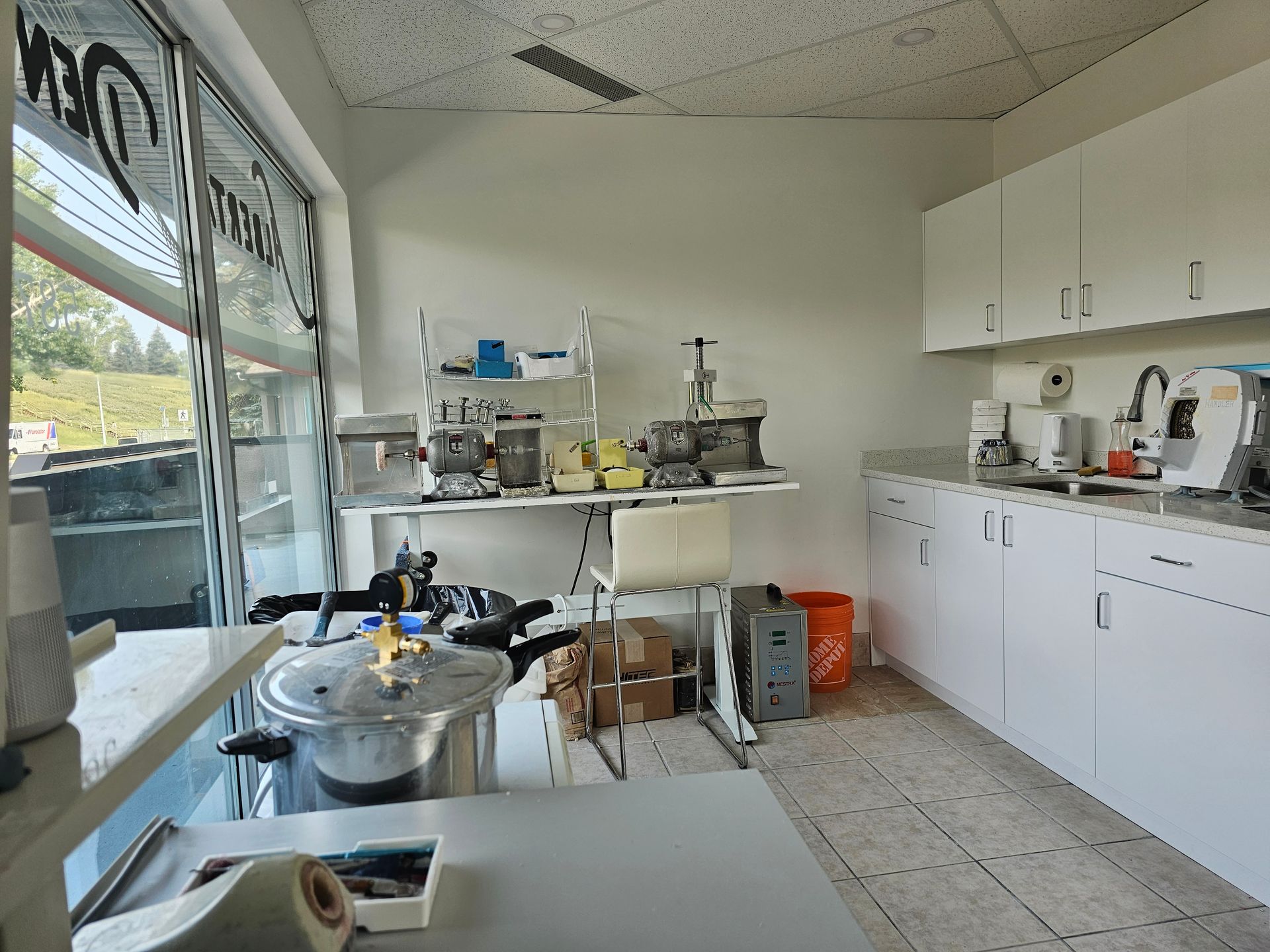
The advancements in technology that we have seen and are actively implementing currently are mostly in the design and manufacturing side.We see greater accuracy for implant restorations in digital dentistry, very holistic to our laboratory staff manufacture that is much less time consuming and uses less harmful chemicals. We are quite excited to implement the technology in certain cases where the benefit is evident. However it still has ways to go before it fully replaces traditional methods.  

What changes in patient expectations have you noticed over the past year?

Anastasiya Sivkova:  We take great care explaining expectations of treatment outcomes for each case. This is very important in the success of most cases – if a patient understands their particular case, risks and predicted outcomes it is much easier to control the experience of the transition for a patient. Patients are asking more and more for digital solutions to their denture needs as well as choosing to invest in premium materials for longer, more comfortable and functional wear.

What motivates your team when working with complex or full-mouth denture cases?

Anastasiya Sivkova: The smile of the patient who has not been able to chew simple healthy foods for a long time and now is able to – it’s priceless.  And patients motivate us just as much – we always have fresh baked goods made with love and brought for the team. 

Which patient experience has most influenced the way you approach your work today?

I have a few that always remind me why I do this. A young lady had to lose all her teeth due to oral complications related to pregnancy. breastfeeding a recent baby and taking care of a full family all on her own she was given another curveball of multiple infections. She was in pain, exhausted and not in a good place. The moment she walked in with her new smile designed by us – she was radiant! What was years of taking care of others first and finally being forced to pay attention to her own needs became a transformative moment. 

And there is failure – a case where doing everything by the book turned out to be exactly the opposite of what was needed. I was able to remake the case with success only when applying my out-of-the box thinking and creating a workflow specific to what the patient was telling me he felt and not what the book said should be done. This still is a case that focused my treatment planning on patient experience outcome, and not the standard expected outcome. I still pride myself in being able to accurately interpret patient functional experience to the denture itself translating feeling into mechanics. 

What tools, technologies, or clinical principles help you deliver consistent, high-quality results?

Anastasiya Sivkova: Paying attention to exact patient requests. The most successful cases are designed based on outcome  – when the patient is guiding the denture design based on what is important to them and I dial it into a functional esthetic product. Maximizing the outcome of the aspect of the denture that is most important to the patient themselves

Which trends do you believe will shape denture and restorative dentistry in the next 1–2 years?

Anastasiya Sivkova:  Switching to digital denture design and fabrication is currently an expanding practice. It’s still in its agency. With the addition of AI, design and manufacture will become more and more accurate, customizable and easy to implement into every-day practice. Digital impressions already have shown that they are a preferred method of impression taking by patients themselves. 

What is the most important lesson your experience has taught you about complex dental cases?

Anastasiya Sivkova:  For complex cases our approach is geared towards trial and error. We develop a strategy that we believe will solve the issue, but with it we also anticipate additionally plan B and plan C. This approach allows us to target the complexity from multiple angles and allow the patient to be prepared for a longer haul treatment. Usually these patients have been through a ringer already and are preparing them not for one solution that may fail, but for a complex plan that allows for changes during treatment helps build trust.

What advice would you give to young professionals entering the field of denture and restorative care?

Anastasiya Sivkova: Patient experience is just as important to the success of denture care as a well made denture. Paying attention to what exactly patient expresses as important to them and the experience you create will generate loyalty and good reputation that is paramount to a success of any denturist practise. 

How do you envision Alberta Dentures evolving over the next five years?

Anastasiya Sivkova: In the next 5 years we plan to have full digital integration running in parallel with the classic manufacture to maximize areas that are best in each method. We would like to add additional two members to our team and work to continue providing care to patients we can be proud of. 

What truly differentiates Alberta Dentures from other denture clinics in Alberta?

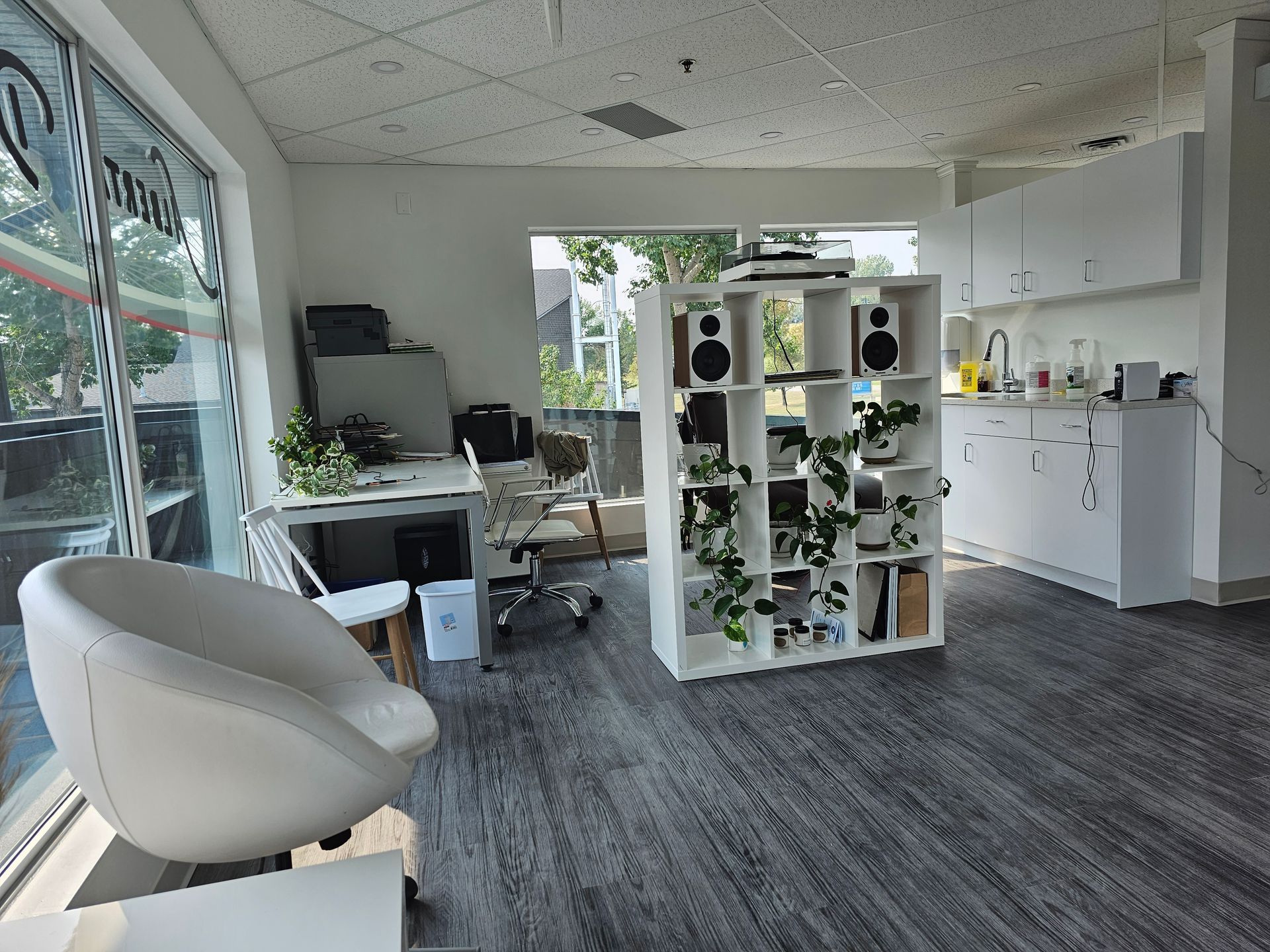
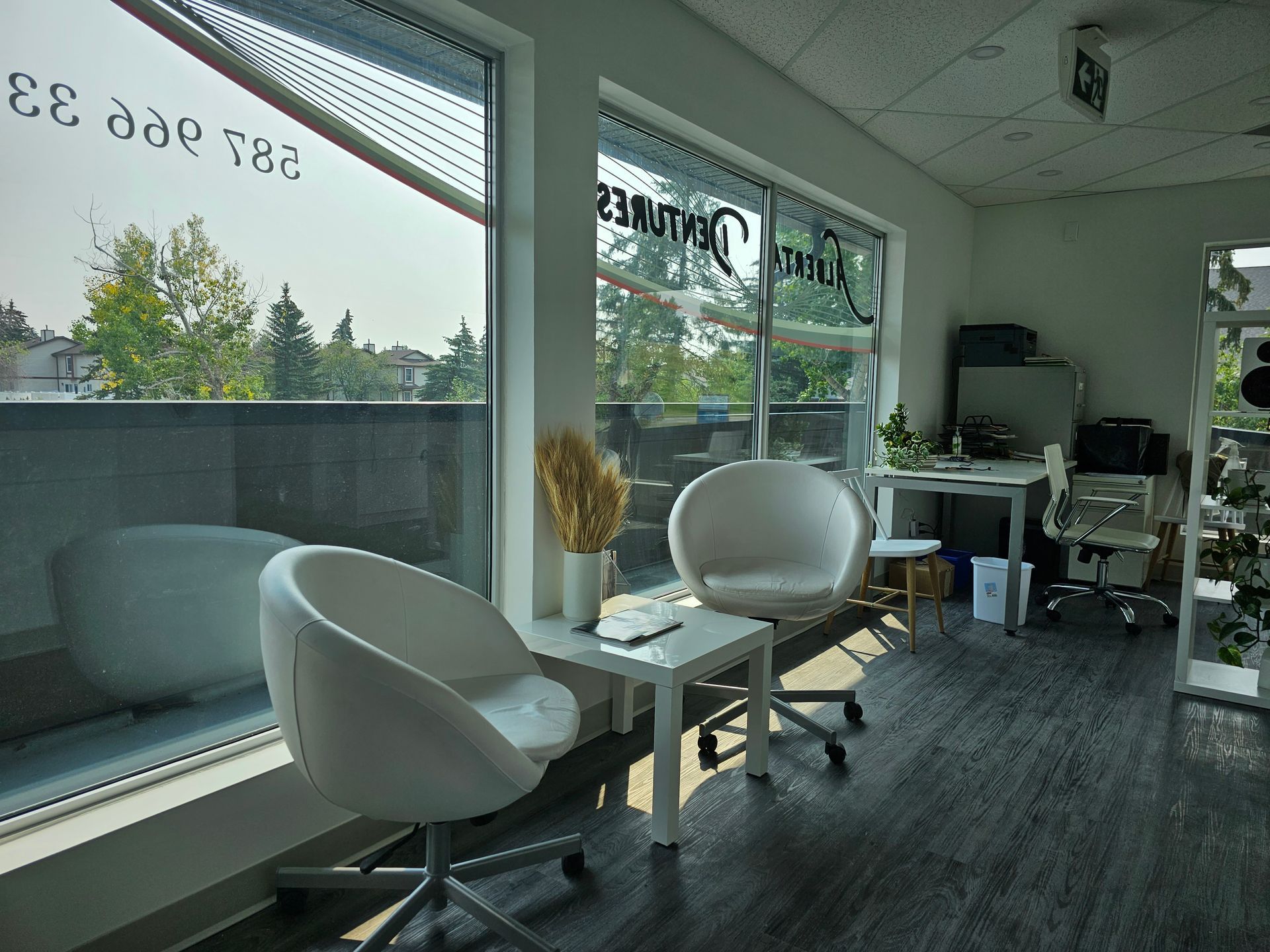
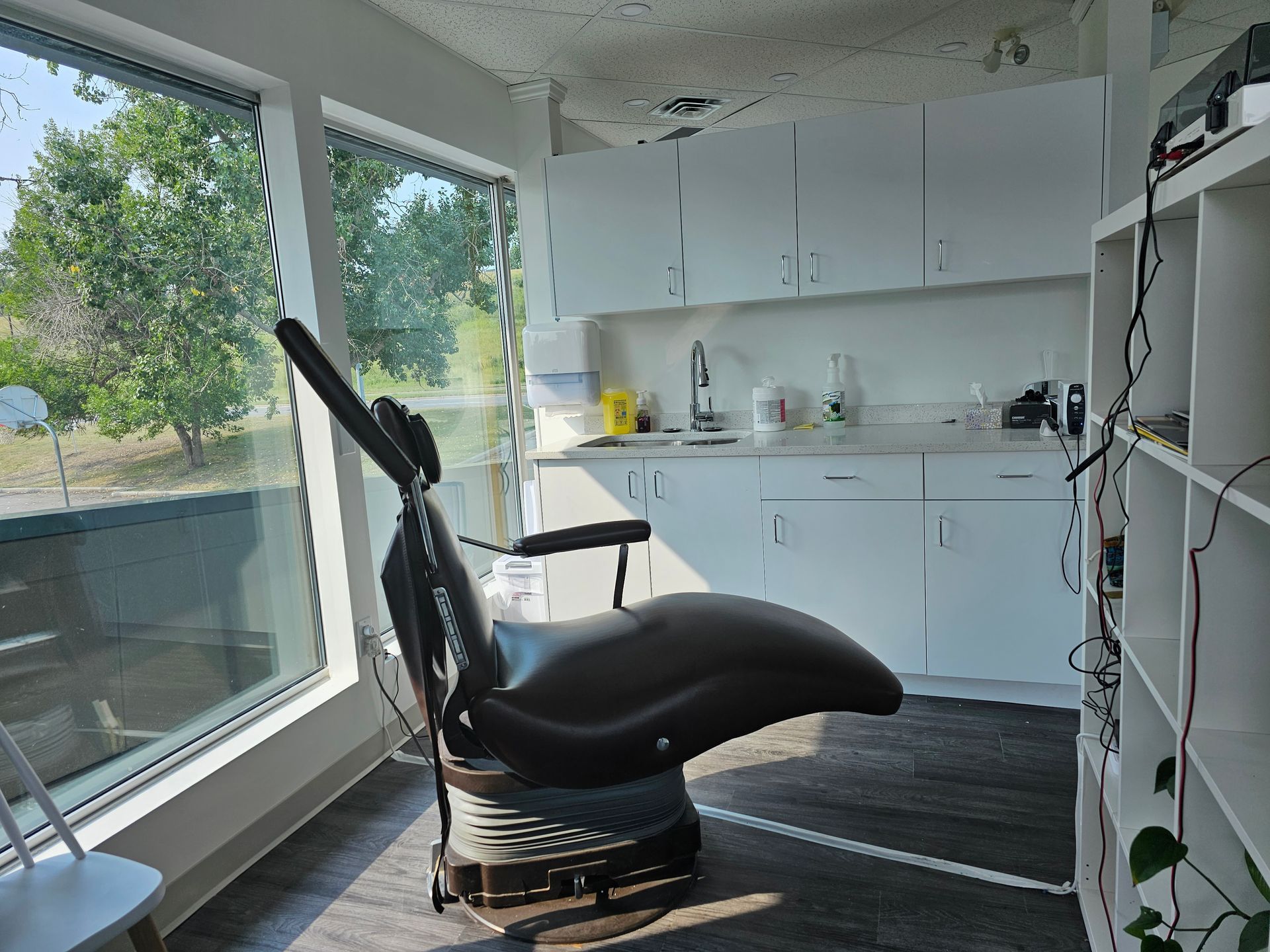
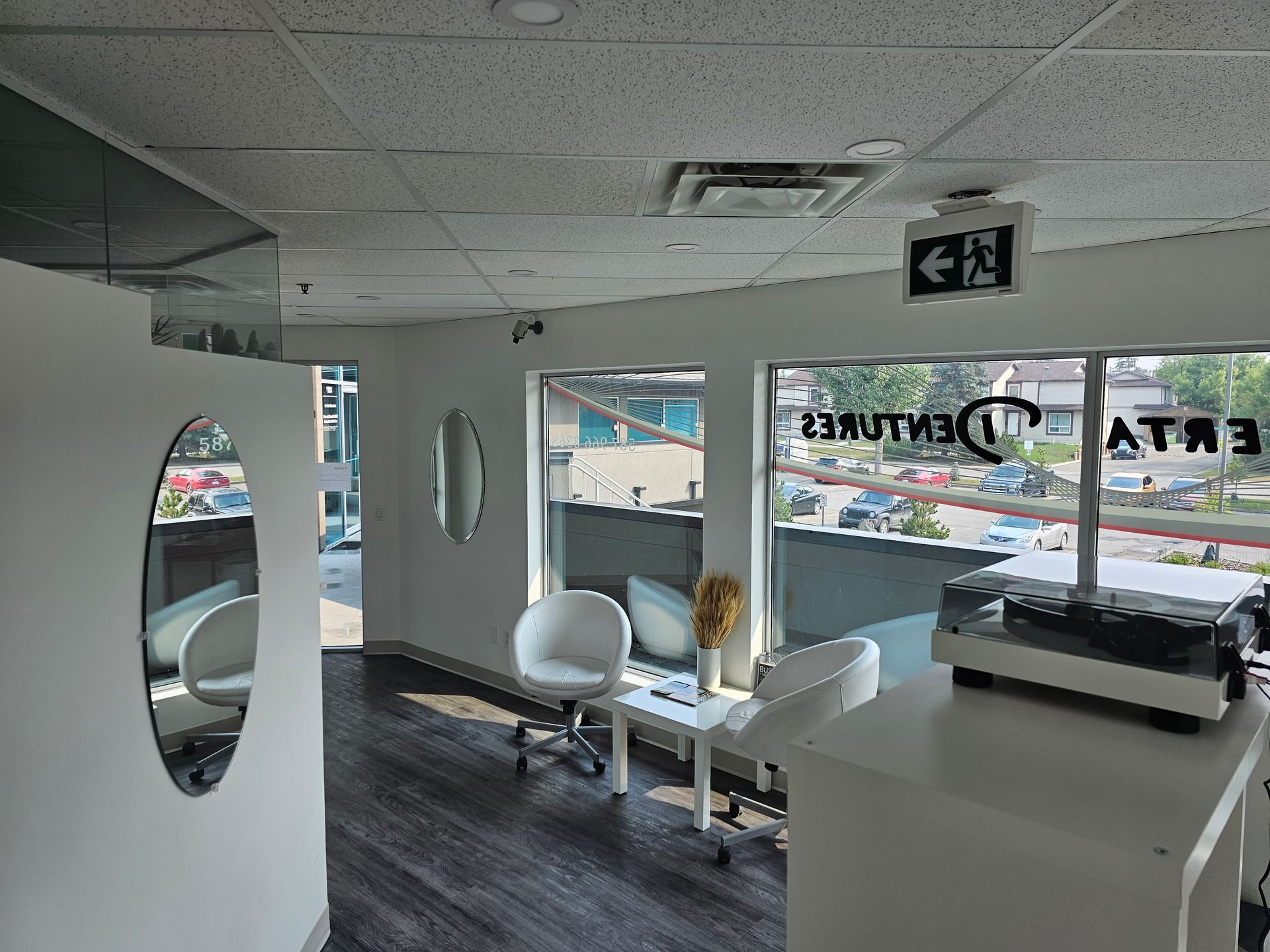
Anastasiya Sivkova: At Alberta Dentures we strive to create a family atmosphere. We aren’t too busy and keep our appointments on average longer than the majority of clinics. This is to take time, get to know the clients and make them feel comfortable in the medical environment. Lots of house plants and natural light help our team to be in a happy environment and provide the best care we can without too much stress. We want to come to work every day for the connections we make with the clients we serve. 

What do patients most often fear before getting dentures — and how do you help them overcome it?

Anastasiya Sivkova: There are multiple factors. One is cost – patients fear denture treatment will cost them dearly and avoid scheduled maintenance. Thankfully we now have a Canadian Dental Care Plan that significantly reduces financial strain for people with moderate to low incomes. We are fortunate that the Canadian government recognized dental health is a very important factor in the overall health of an individual.

The second factor is fear of dentists. Many have gone through traumatic experiences in a dental chair, and denture clinics being part of the dental field – we are likewise grouped in that category. Thankfully with dentures being removable objects – most work is done outside the patient’s mouth, so very quickly patients are able to trust us.

Third often is lack of knowledge as well as stigma associated with dentures. A slow and steady communication approach always wins the race. If the alternative treatment of implant treatment is not an option we try to promote

How has technology changed the way you deliver denture care today?

Anastasiya Sivkova: 3D scans have completely revolutionized aspects of denture design that were previously impossible to do my hand. We are now able to re-create lost dentures in a matter of days without having to go through the impression process again. It’s also easier to estimate Immediate denture esthetics with digital smile design. Implant restorations have also become so much more accurate. We are excited to see where this field will go next!

What should every patient know before choosing dentures?

Anastasiya Sivkova: Dentures are never an exact equivalent to natural teeth. They take up more room in your mouth, rely on soft gum for chewing and otherwise feel different. If extractions are elective – restoration even if more expensive in the long run, is still a preferred treatment to dentures. 

Partial dentures are preferred to full dentures – the smaller the denture – the better the outcome of the treatment. easier to chew, smaller to deal with in the mouth and less movement during chewing. All these factors make a partial denture a preferred restoration to a complete one if there is a choice. Thirdly – maintenance is important.  We see lots of cases with permanent tissue and tooth damage due to ill fitting dentures. We recommend seeing your denturist every year for a check-up and maintenance usually is scheduled in 2 year intervals. The denture doesn’t usually change on its own, but tissues do, so the denture must be re-fitted to function well, collect the least amount of food underneath and not damage surrounding tissues.

How do you see patient expectations evolving in the next few years?

Anastasiya Sivkova: We believe more and more patients will be accepting of implant restoration as preferred treatment to removable dentures. It’s a far superior treatment and comfort and function at older age is becoming more important in active seniors and adults with conditions requiring extractions.