
Last Updated on January 30, 2026 by admin
Dentures may lose their secure fit due to changes in the gums and jaw structure. A denture adjustment improves comfort and stability. Choosing between a soft reline vs hard reline depends on individual needs. This article examines the difference between hard reline and soft reline, their benefits, and how to choose the best option for long-term use.
What Is a Denture Adjustment-
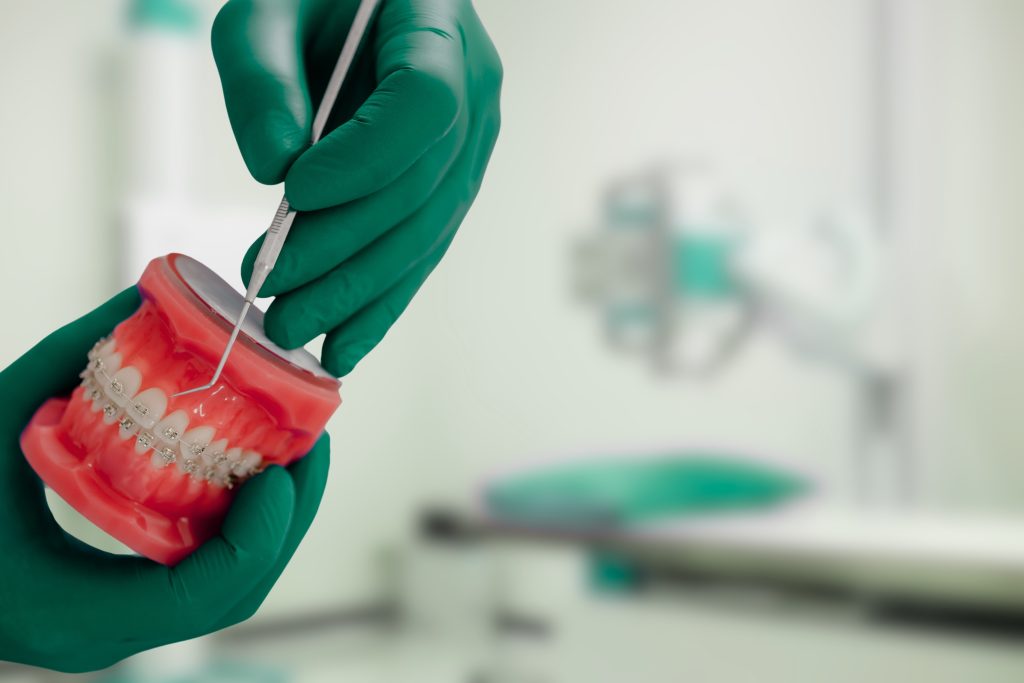
A denture modification reshapes the interior surface of a prosthetic for better adaptation. This process helps maintain function and comfort. Over time, natural bone loss changes the shape of the mouth, making periodic modifications necessary.
There are two primary options: hard reline vs soft reline. Understanding what is a hard reline for dentures and what is a soft reline on dentures is essential for making the right decision.
Why Do Dentures Need Modifications-
Changes in the jawbone and gums affect the way dental appliances fit. Common reasons for modification include:
- Gum shrinkage, causing looseness.
- Wear and tear, reducing stability.
- Soreness, due to an improper fit.
- Speech difficulties, resulting from movement.
- Food accumulation, leading to irritation.
- Loss of suction, making dentures feel unstable.
- Increased pressure on specific areas, leading to gum pain.
Regular denture adjustments enhance function and comfort. Ignoring relining needs can result in discomfort, difficulty eating, and long-term oral health issues. Denture relines are essential for maintaining a proper fit, enhancing comfort, and prolonging durability. Over time, gums change, causing looseness — relines help restore a secure fit for better function and oral health.
Soft Adjustments: What They Are & How They Work
A soft modification involves applying a flexible, cushion-like material to the inner surface. This technique enhances comfort, making it ideal for those with sensitive gums. The material helps absorb pressure, reducing irritation.
Soft modifications use medical-grade silicone or acrylic, forming a protective layer between the appliance and gums. The process is relatively quick and can often be completed within a single appointment.
Advantages:
- Increased comfort for sore gums.
- Reduces pressure points and irritation.
- Quick procedure by a dental specialist.
- Suitable for patients with gum recession.
- Absorbs shock, making it ideal for new denture wearers.
Disadvantages:
- Wears out faster than hard options.
- Requires replacement every 1-2 years.
- Retains bacteria if not properly cleaned.
- Less durable for individuals with strong bite force.
Hard Adjustments: What They Are & How They Work
A hard modification involves using a more rigid, durable material to improve fit. This method closely restores the structure of the appliance base. Hard relines are made from a more solid acrylic, similar to the original denture material, making them a long-lasting option.
The procedure includes removing a portion of the inner material and replacing it with a harder acrylic for better stability and longevity. Hard relines provide a more permanent solution and are often recommended for those who do not experience gum sensitivity.
Advantages:
- Lasts longer, typically up to 5 years.
- Provides a tight, stable fit.
- Improves overall function.
- Less frequent adjustments needed compared to soft relines.
- More cost-effective in the long run.
Disadvantages:
- Can feel rigid, especially for sensitive gums.
- Requires a longer adjustment period.
- May cause irritation if not fitted correctly.
- More difficult to modify than soft relines.
Key Differences Between Soft and Hard Modifications
- Material: Soft options use flexible substances, while hard ones are made of rigid acrylic.
- Durability: Hard options last longer; soft options need frequent adjustments.
- Comfort: Soft options cushion gums; hard options provide a firmer feel.
- Application: Hard options require more precision and adjustments.
- Cost: Hard options may be more cost-effective over time.
- Ideal candidates: Soft relines are better for those with sensitive gums, while hard relines work well for those with stable gum conditions.
Which Option Is Best for You-
Your choice depends on:
- Comfort preference – Soft options are ideal for sensitive gums.
- Longevity – Hard options offer longer-lasting results.
- Budget – Soft options require more frequent replacements.
- Gum condition – Chronic soreness may indicate the need for a soft adjustment.
- Bite strength – Individuals with stronger bite force may benefit from hard adjustments.
- Professional recommendation – A dental specialist can determine the best option.
In short, if you’re asking “what is the difference between hard reline and soft reline?”, it comes down to comfort vs durability.
Professional vs At-Home Modifications: What to Consider
Professional modifications ensure precise adjustments, preventing irritation and discomfort. At-home kits exist, but they often lead to poor adhesion, bacterial buildup, and discomfort. A professional hard reline or soft reline ensures proper adaptation, durability, and oral health benefits.
DIY kits are available, but they lack professional customization. A poorly applied modification may lead to discomfort and further appliance issues. Additionally, at-home relines may not last as long, requiring more frequent replacements.
Professional dental modifications use high-quality materials and expert adjustments, ensuring long-term comfort and functionality. Patients who seek professional relining typically experience improved chewing efficiency, speech clarity, and overall satisfaction with their dentures. Our denture specialist will be able to find a solution shortly.
Understanding what is a soft modification and what is a hard modification helps in making the right decision. Whether you prioritize comfort or durability, consulting a professional ensures a secure fit. Choosing between hard and soft options is an important consideration for appliance wearers, directly affecting long-term oral health and daily functionality.
Both soft and hard adjustments play crucial roles in maintaining dentures. Regular check-ups with a dental specialist help determine when a reline is necessary, ensuring that dentures continue to provide the best possible fit and support.