
Last Updated on January 30, 2026 by admin
Missing teeth can affect more than just your smile — it can impact your comfort, speech, eating habits, and confidence. One of the most common solutions to this problem is a dental prosthetic. But how much are dentures today- This article explains everything you need to know about oral appliance pricing and the factors that influence it in Calgary and beyond.

Understanding the Cost of Dentures
The cost of getting oral prosthetics can vary significantly depending on multiple factors, such as type, material, clinic location, and customization level. Patients often ask, how much does it cost to get dentures, and the answer depends on both personal needs and provider expertise.
The cost may also differ based on whether a patient needs a full or partial set and whether additional services like extractions or relining are included. Some clinics bundle these services, while others charge separately, affecting your total cost. Additional consultations, lab fees, and post-treatment support can also raise the total expense.
Types of Dentures and Their Price Ranges
There are different types of tooth replacement options available, and each comes with a specific price range:
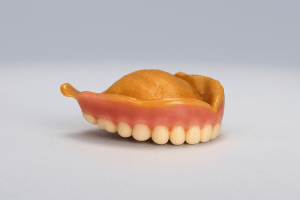
- Complete Sets – Designed to replace all teeth in the upper or lower jaw. These usually cost more due to full coverage and customization needs.
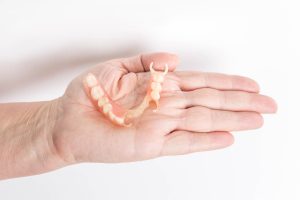
- Partial Options – Suitable for patients missing only a few teeth. These are more affordable and can be either acrylic or metal-based.
- Immediate Solutions – Placed immediately after tooth extraction but may require replacement or adjustments.
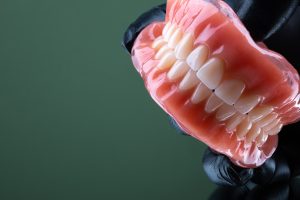
- Implant-Supported Variants – Provide additional stability and comfort but are typically more expensive due to the surgical procedure involved.
You might also encounter specialized types such as flexible options and precision-fit devices. These are known for their comfort and adaptability, offering enhanced functionality. Some patients may also opt for digital solutions that utilize advanced technology for better comfort and aesthetics.

What Influences Pricing-
Several elements contribute to how much dentures cost in the market.
Materials Used
The type of material used plays a crucial role in pricing. Acrylic is affordable but may wear out faster. Porcelain offers more durability and a natural appearance but comes at a higher cost. Flexible nylon materials are also gaining popularity for their comfort and aesthetic appeal.
High-quality materials also provide better stain resistance and can mimic the natural translucency of teeth, making them a popular choice despite higher costs. Additionally, the structural integrity of higher-end materials results in a more comfortable and durable oral appliance.
Customization & Quality
Higher-quality solutions often involve personalized measurements and fine detailing, which increase their price. The more natural and precise the fit and look, the more you can expect to pay.
Precision-fit devices, for example, require detailed measurements, digital scans, and advanced fabrication techniques. These added steps ensure a better outcome but increase overall costs. For individuals with complex oral conditions or jaw structures, this level of detail is essential.
Average Cost of Dentures
Patients often search for answers like how much do new dentures cost or how much does it cost for dentures on average. Here’s a general breakdown:
- Acrylic Full Options: $800–$2,500 per arch.
- Metal Partial Options: $1,200–$2,500.
- Flexible Partial Options: $1,000–$2,000.
- Implant-Supported Options: $3,000–$6,000 per arch.
Your overall expense may also include consultation, adjustments, fittings, and relining. Visit our Prices page for detailed information.
Keep in mind that maintenance costs, such as repairs or relines, should also be factored into your long-term budget. Even high-quality appliances will eventually need attention, making it vital to plan for these additional expenses.
Comparing Dentures to Other Tooth Replacement Options
Patients often compare how much dentures cost to bridges or implants. Here’s a simple comparison:
- Dental Implants: Highest cost, most stability, long-lasting.
- Bridges: Moderate cost, shorter lifespan, fixed in place.
- Removable Appliances: Most affordable, easier to replace.
Bridges may require altering adjacent teeth, while implants demand surgery and healing time. Removable alternatives are less invasive and more budget-friendly, making them ideal for many patients.
Additionally, implant-retained devices offer a hybrid solution that combines affordability with enhanced stability, making them increasingly popular.
How to Save Money on Dentures Without Compromising Quality
Even if you’re wondering how much do good dentures cost, there are ways to reduce expenses:
- Choose a reputable provider like a denture specialist.
- Consider payment plans or dental financing options.
- Compare services and pricing from different clinics.
- Ask about insurance coverage or health benefits.
- Inquire about bundled services to reduce multiple charges.
Some clinics offer discounts for seniors or patients without insurance. Asking about seasonal promotions or package deals can also help. Government assistance programs and private dental insurance may offset part of the costs.
Joining dental savings plans or loyalty programs provided by clinics can also bring considerable financial benefits. Always ask if there are low-cost alternatives available that still offer acceptable quality.
Choosing the Right Dentures for Your Budget
It’s crucial to balance cost with comfort and durability. When thinking about how much can dentures cost, focus on long-term value rather than short-term savings.
Key Tips:
- Discuss all material options with your provider.
- Understand what’s included in the total cost.
- Choose the most comfortable and aesthetic solution within your range.
- Factor in maintenance and follow-up appointments.
- Consider the impact of lifestyle and eating habits on performance.
Choosing the right solution isn’t just about price. Comfort, appearance, and long-term satisfaction should also guide your decision. In the end, a well-made product that fits properly can reduce future costs associated with discomfort, sore spots, or replacement.
A well-planned investment not only restores your smile but also ensures a healthier oral condition for years. Quality solutions improve not only aesthetics but also functionality, helping people regain their quality of life.