
Last Updated on January 30, 2026 by admin
Beginning the process to renew your smile with prosthetic teeth marks an important move toward better oral health and self-confidence. Although the concept of an operation may seem overwhelming, knowing the full timeline for denture surgery is the most effective method to reduce worry and set proper expectations. This detailed resource offers a complete look at the entire denture surgery procedure, from the initial consultation to long-term maintenance, ensuring you feel thoroughly prepared for your journey toward a fully restored smile and improved dental function. We will cover everything from the initial steps to the final outcome, providing a clear roadmap for your treatment journey.

What Is Denture Surgery?
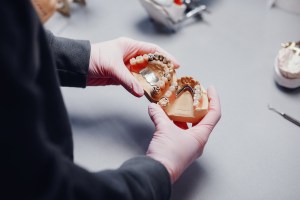
This process describes the clinical steps needed to prepare the mouth for a prosthetic device. This can range from simple tooth extractions to more complex bone contouring procedures. For denture implant surgery, it involves the precise placement of titanium posts into the jawbone. This is often performed using a guided surgery denture protocol, which utilizes advanced 3D imaging and surgical guides for maximum accuracy and minimal tissue disruption. The ultimate objective is to create a healthy, stable foundation for your replacement teeth, restoring both essential function and natural aesthetics for years to come. The specific approach depends entirely on your individual oral health situation and desired outcome.
Initial Consultation and Oral Assessment
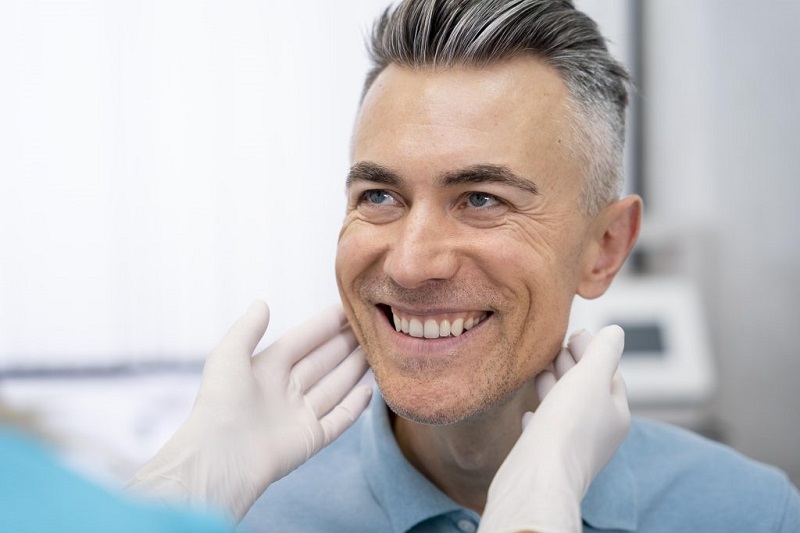
The first and most crucial step is a comprehensive consultation with a qualified denture specialist. During this appointment, your clinician will perform a thorough examination of your oral cavity, assessing the health of your gums, any remaining teeth, and jawbone structure. This evaluation typically involves taking X-rays and, for more complex cases involving upper denture implants, a 3D CBCT scan.
This advanced imaging is vital for assessing bone density, nerve locations, and sinus cavities, which is critical for mapping the precise placement for dentures implants, ensuring a safe and effective treatment plan customized for your unique anatomical needs and long-term success.
Preparation Before Surgery
Once a treatment plan is established, proper preparation becomes essential for a smooth procedure and uncomplicated recovery. You will receive specific pre-operative instructions from your dental team. This often includes guidelines for fasting if sedation is planned and a strong recommendation to avoid smoking, as it significantly impedes the healing process and can increase complication rates. Preparing your home is also important; stock up on recommended foods to eat after denture surgery, such as broths, yogurt, and mashed vegetables. Be sure to arrange for reliable transportation to and from your appointment, as you will not be permitted to drive yourself afterwards due to the effects of anesthesia or sedation.
What Happens During Denture Surgery
On the day of your procedure, your comfort is managed with local anesthesia and, if necessary, sedation. The denture surgery procedure then follows a structured sequence. If you require tooth extractions, these are performed first, followed by any necessary bone smoothing to create an ideal foundation. For patients undergoing denture implant surgery, the dentist uses a surgical guide to position the implants into the jawbone with precision. In many cases, a temporary denture after implant surgery or multiple extractions is placed immediately. This allows you to leave the clinic with a complete smile, though it serves as an interim solution during the initial denture surgery healing time and will require future adjustments as your tissues change and settle.
Post-Surgery Care and Recovery
The first 24 hours
Diligent post-operative attention is absolutely paramount for a successful outcome. Hirst day is critical for managing bleeding and swelling. Use gauze packs as directed, apply an ice pack to the external cheek area, and rest with your head elevated. Your diet should be strictly limited to cool liquids.
The first week
Over the week swelling will peak and then gradually subside. You can carefully transition to soft, warm meals and begin gentle saltwater rinses after the first day to maintain cleanliness.
Long-Term Recovery
The complete denture surgery healing time, which involves underlying bone remodeling, takes several months. For implant patients, this is the essential osseointegration phase where the jawbone biologically fuses with the implants before the final, permanent prosthesis can be attached. This biological integration is what provides the incredible strength and stability of implant-supported teeth.
Attaching and Adjusting Your Dentures
The transition to your final prosthesis is a significant milestone. For conventional devices, this process involves several fitting appointments to meticulously adjust the fit and bite for optimal comfort and function. Your dentist will check for pressure points and ensure an even distribution of force. For implant-supported prosthetics, the process is different. Once osseointegration is confirmed, you will return to the clinic for the attachment of the permanent appliance. This addresses a common patient question: can you wear a denture after implant surgery? The answer is yes. The temporary device used during the healing phase is replaced by a permanent, robust one that securely attaches to the implants, providing exceptional stability and a natural, confident feel when eating and speaking, without the worry of movement.
Benefits of Denture Surgery
The benefits of undergoing this process are truly transformative. It effectively restores your ability to chew and speak clearly, provides crucial support for facial muscles to prevent a sunken appearance, and offers a substantial boost to self-esteem. Opting for dentures implants significantly amplifies these advantages by providing superior stability that eliminates slipping, enables a more varied and nutritious diet, and actively helps preserve the jawbone from long-term deterioration. This makes implant-supported teeth a valuable long-term investment in your overall oral health and quality of daily life, allowing you to enjoy social interactions and meals without hesitation or self-consciousness.
Potential Risks and Complications
As with any surgical procedure, it is important to be aware of potential risks. These can include short-term issues such as bleeding, infection, swelling, and discomfort, all of which are typically manageable with proper post-operative care and medications. For denture implant surgery, there is a small risk of implant failure or nerve injury. An experienced denture specialist will discuss these potential complications during your consultation and take every precaution to minimize them through careful planning and the use of advanced techniques like 3D imaging to avoid vital anatomical structures. Following all post-operative instructions precisely is your best defense against most common complications.
Long-Term Maintenance and Follow-Up
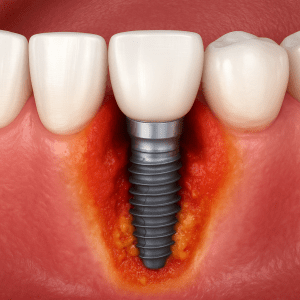
Your commitment to long-term upkeep is crucial for the longevity of your prosthesis and the health of your oral tissues. For conventional devices, this involves daily cleaning, overnight soaking, and regular dental check-ups for necessary adjustments and oral cancer screenings. For dentures implants, meticulous cleaning around the implant abutments is essential to prevent peri-implantitis, a serious inflammatory condition that can lead to bone loss. Regular professional cleanings and annual check-ups are mandatory to ensure the ongoing health of your gums and the long-term stability of your restoration, protecting your investment for many years to come and ensuring your smile remains healthy and functional.
Ready to Find Your Perfect Smile?
Understanding this clinical process – from the initial consultation through the denture surgery recovery period – empowers you to navigate the entire journey with confidence. Knowing exactly what to eat after denture surgery and having a realistic timeline for the denture surgery healing time prepares you for a smooth and successful recovery. By partnering with a trusted denture specialist and diligently following all post-operative guidelines, you can achieve a comfortable, functional, and aesthetically pleasing smile. Whether you choose traditional appliances or advanced upper denture implants, this journey represents a profoundly positive step toward regaining your oral function and overall confidence, ultimately enhancing your daily life and well-being through restored dental health.
Book a consultation today and let us help you or your loved one smile with confidence again
Taking care of your smile isn’t just about appearance — it’s about health, comfort, and being able to enjoy life’s little moments without worry. From family dinners to laughing with friends, dentures should support your lifestyle, not get in the way.
📞 Call now 587-966-3368 or 👉 Book Online