
Last Updated on April 20, 2026 by albertadentures
Tooth loss or oral health concerns often prompt patients to explore their options for care. While many turn to general dentists for comprehensive treatment, others may consider denturists, especially when dentures are involved. But how do you know who to visit- And is it better to choose one provider over the other-
This article will explain the difference between denturist and dentist, outline the services each provides, and show why collaboration between these professionals often leads to the best patient outcomes. If you’re unsure whether a denturist or dentist for dentures is right for you, read on.

What’s the Difference Between a Denturist and a Dentist
The main distinction lies in their scope of practice. A dentist is a general oral health care provider licensed to diagnose and treat a broad range of conditions — from cavities to gum disease. A denturist, on the other hand, specializes exclusively in removable dental prosthetics, such as full and partial dentures.
While both are oral health professionals, their training and responsibilities vary. Understanding these roles helps patients navigate care more effectively.
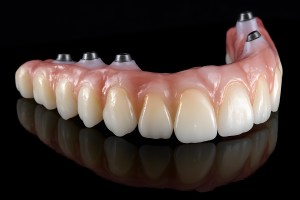
Denturists are denture specialists. They work exclusively with removable dental prosthetics — including full dentures, partial dentures, immediate dentures, and implant-supported restorations. Unlike dentists, denturists do not extract or restore natural teeth. Their training focuses solely on the fabrication, installation, care, adjustment, and repair of dentures, making them highly specialized in tooth-replacement solutions.
Your dentist ensures long-term oral health and should be seen at least once a year. A denturist should also be visited annually — or sooner if your dentures feel loose, uncomfortable, or damaged. Dentists may recommend seeing a denturist, and denturists may refer patients back to dentists for oral health concerns.
What Does a Dentist Do
Dentists complete several years of university-level training, earning a Doctor of Dental Surgery (DDS) or Doctor of Dental Medicine (DMD) degree. Dentists are trained to diagnose and treat conditions affecting both the hard tissues (natural teeth) and the soft tissues (gums, oral mucosa) of the mouth. Their role covers preventive care, disease management, and long-term oral health maintenance. They are licensed to perform procedures like:
- Tooth cleanings and fillings
- Root canals
- Tooth extractions
- Cosmetic restorations
- Crowns, bridges, and implants
Dentists assess overall oral health and can provide referrals to specialists, including denturists, when removable prosthetics are needed.
What Services Does a Denturist Provide-
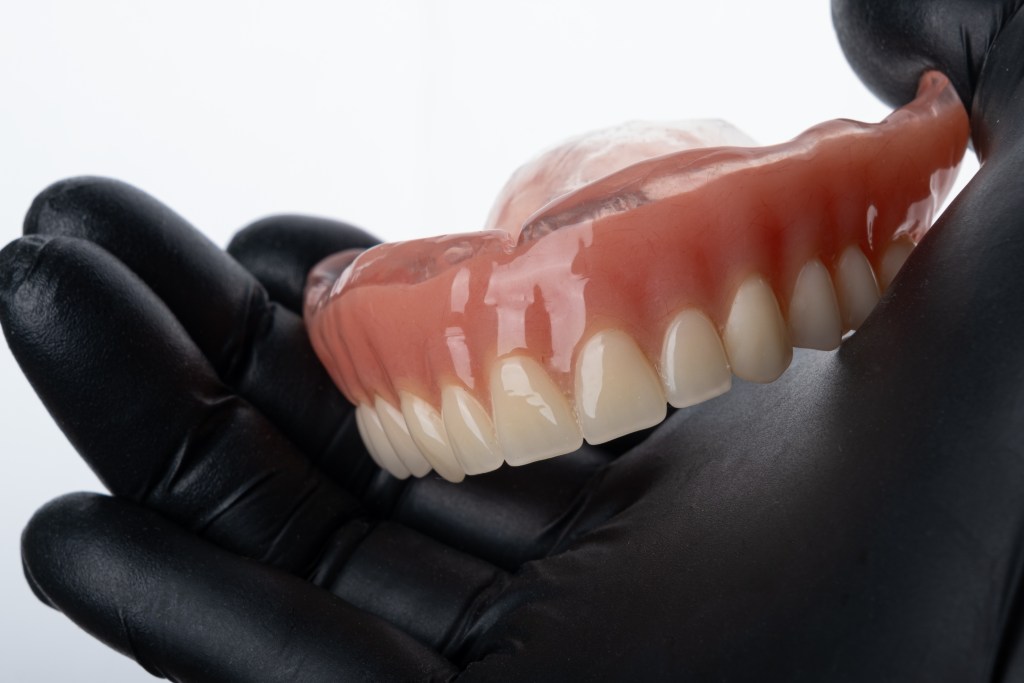
A denturist is a licensed professional trained in the design, creation, fitting, and maintenance of dentures. They offer:
- Full and partial denture fabrication
- Immediate and implant-supported dentures
- Denture relines and repairs
- Consultations and fittings
A denturist typically works in a specialized denture clinic, where they can offer same-day adjustments or repairs, thanks to in-house labs.
Denturist vs Dentist: Scope of Practice Compared
Before comparing responsibilities in detail, many patients ask a common question: is a denturist a doctor? While both professionals play important roles in oral health care, their qualifications, training paths, and scopes of practice are different. Understanding these distinctions helps clarify who to visit depending on your specific dental needs and treatment goals.
Education and Training Requirements
Dentists attend dental school for 6 to 8 years, covering general and specialized care. Denturists complete a 2-3 year diploma or degree program focused solely on removable prosthodontics. While their scopes differ, both must meet strict licensing requirements.
Although dentists and denturists both work in oral health care, their roles, training, and areas of focus are distinctly different. The sections below compare their responsibilities to help patients understand whom to see for specific needs.
Who You See for Tooth Extractions vs Dentures
Tooth extractions, fillings, and x-rays fall under a dentist’s responsibilities. However, once teeth are removed and a denture is needed, the denturist vs dentist conversation becomes more relevant. Denturists take over when it comes to assessing denture needs, impressions, and prosthetic fittings.
Insurance and Cost Considerations
Dental insurance often covers both providers, but coverage amounts and categories may differ. Generally, denturists offer more affordable options for denture care due to their focused practice and in-house production capabilities.
It’s also worth noting that some plans may only partially reimburse denture services. Patients should always verify what their specific policy includes before undergoing treatment. Being proactive about insurance can reduce unexpected costs and help plan more efficiently.
Dentists may charge more for denture-related services because they often outsource to labs. Denturists streamline this process, sometimes delivering faster turnaround and fewer appointments.
Denturist or Dentist for Dentures
This choice depends on your specific needs. If you require a tooth extraction or a diagnosis of oral disease, see a dentist first. If you need a replacement solution after tooth loss, a denturist is the go-to expert.
Many patients begin with a dental consultation and then get referred to a denturist for prosthetic planning and fabrication. This collaboration streamlines treatment and ensures accuracy.
Furthermore, denturists are skilled in post-fitting care. If you’re experiencing discomfort with your current prosthetic, a denturist can evaluate the cause and make necessary adjustments. Their focused expertise ensures a more comfortable and precise fit over time.
Denturists also keep up with the latest materials and techniques to improve durability and comfort. Patients benefit from a professional who spends each day exclusively working with prosthetics.

Working Together: Why You Need Both
While dentists and denturists have different scopes of practice, patient care often overlaps. A dentist may diagnose issues and prepare the mouth for treatment, while a denturist steps in when dentures are needed. In many cases, patients are referred between both professionals to ensure complete and coordinated care.
Collaborative Treatment Plans
The collaboration between dentist and denturist is vital for successful outcomes. A dentist may handle surgical extractions or implants, while a denturist ensures the denture fits perfectly over healing gums or implant abutments.
Treatment plans that involve both professionals are typically more comprehensive and coordinated. This reduces treatment delays, prevents missteps, and supports long-term oral health. The dentist ensures oral structures are healthy, while the denturist crafts the prosthetic solution with a personalized touch.
Seamless Patient Care and Communication
Shared care between both professionals avoids miscommunication and reduces the risk of poorly fitting prosthetics. Together, they ensure that all stages of oral rehabilitation — from tooth removal to final fitting — are covered.
Having both a dentist and denturist involved can also make it easier to manage expectations. For example, if implant-retained dentures are being considered, a dentist will assess bone structure and surgical viability, while the denturist helps the patient visualize the prosthetic outcome.
Some clinics work with integrated digital workflows, allowing both providers to access and share imaging, treatment notes, and timelines. This collaboration leads to fewer errors and greater patient satisfaction.
Patients who require complex care plans, like immediate dentures after surgery or implant-supported prosthetics, especially benefit from this two-provider approach. You’ll be supported throughout every step of the process.
How to Choose the Right Provider for Your Needs
If you’re unsure whom to see first, consider the nature of your issue:
- For pain, infection, or diagnosis: Start with a dentist.
- For missing teeth or denture replacement: Visit a denture specialist.
Some clinics offer both services under one roof or maintain partnerships, allowing patients to transition smoothly from diagnostics to treatment. To explore these integrated options, visit dentures services.
When evaluating providers, look for clear communication, modern facilities, and experience with your specific issue. Don’t hesitate to ask how the professionals collaborate — transparency in care planning is a good sign of coordinated service.
Ask questions such as:
- Do you partner with a denturist or dentist-
- How do you manage care between specialists-
- What role will each provider play in my treatment-
The more informed you are, the more empowered you’ll feel about your decision. Understanding roles and collaboration methods helps reduce anxiety and confusion.
Understanding the difference between denturist and dentist is essential when planning your dental care. While dentists address broader oral health concerns, denturists focus on creating and maintaining high-quality dentures.
In many cases, working with both ensures the best results. Whether you’re managing oral disease or preparing for a new smile, the combined expertise of these professionals offers comprehensive and compassionate care. When in doubt, don’t hesitate to ask your provider about the best path forward.
Together, a denturist and a dentist can support every stage of your oral health journey — from prevention and diagnosis to rehabilitation and maintenance. Their joint efforts create a more confident, comfortable, and successful denture experience.