
Last Updated on January 30, 2026 by admin
Wearing a dental appliance for the first time can feel overwhelming, especially when it comes to partials. Whether you’re replacing one tooth or several, it’s completely normal to have questions about comfort, care, and your adjustment period.
This guide covers everything from getting used to partial dentures to daily maintenance routines, and when to contact your denturist. We’ll answer the most common concerns and provide helpful, realistic tips to make the transition smoother and more comfortable.
If this is your first time wearing partial dentures, this article is designed to help you feel more confident and informed throughout the process. With the right expectations and a few helpful strategies, the experience becomes far less daunting than most expect.
Everyone’s journey is slightly different — but preparation, daily care, and patience are the universal keys to success.
In addition to day-to-day tips, understanding the psychological adjustment is crucial. Many first-time wearers report feeling self-conscious initially. However, with supportive care and consistent use, this self-consciousness fades, replaced by greater self-assurance and social ease.

What Are Partial Dentures and Why Do People Need Them-
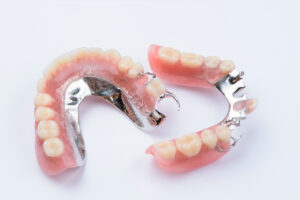
Partial dentures are custom-made dental appliances designed to replace one or more missing teeth. Unlike full sets, they fit around your existing natural teeth and restore both function and appearance.
People may need partials due to tooth loss from decay, gum disease, or injury. These appliances help prevent the surrounding teeth from shifting, restore chewing ability, and improve overall oral health.
Most importantly, they offer an affordable and non-surgical solution. If you’re considering getting a set, speak with a denture specialist who can explain the best options based on your mouth and lifestyle.
Learn more about partial dentures and their many benefits. With modern technology, partials are more natural-looking and comfortable than ever before.
These appliances also boost self-esteem. For many people, smiling confidently again after tooth loss is a major emotional milestone. A well-made partial allows for expressive speech and a more youthful appearance.
Choosing the right type and style for your personal needs is essential. Options such as flexible partials and metal frameworks each offer distinct advantages, from enhanced comfort to improved chewing strength. Your denturist can tailor recommendations based on lifestyle and oral health goals.
The First Few Days: What to Expect
The initial period after receiving your appliance is the most noticeable. During the first 24 to 72 hours, you may experience:
- A feeling of fullness in your mouth
- Minor soreness or gum pressure
- A slight change in speech
- Difficulty chewing certain foods
This is all part of the partial dentures adjustment period. Just like breaking in new shoes, your mouth needs time to adapt. You may also notice increased saliva production. This is your body’s natural response and should subside within a few days.
If discomfort persists beyond the first week, consult your provider for an adjustment. A quick visit can ease pressure spots and improve your overall fit.
Also, don’t panic if you experience a minor lisp or find it harder to pronounce certain words. Your tongue and muscles need time to relearn how to work with the appliance in place. Practicing daily speech exercises can speed up this process.
Try speaking in front of a mirror or reading out loud for 10–15 minutes a day. These small habits help build muscle memory and speech clarity more quickly than you might expect.
You might also notice that different food textures present new challenges. During this phase, it’s helpful to experiment with various foods like soft fruits, cooked vegetables, and tender meats to regain your natural chewing rhythm.
How Long Does It Take to Adjust-
One of the most common questions we hear is, how long to adjust to partial dentures- While the timeline varies by person, most patients feel relatively comfortable after 2 to 4 weeks.
For some, it may take a little longer to fully adapt to speaking and chewing with their new appliance. The more consistently you wear it, the faster your mouth will acclimate. Try to avoid removing it for long periods unless advised by your denturist.
Wearing it during meals, even if it’s uncomfortable at first, is important for learning how to chew effectively and confidently. Stick to soft foods initially, and gradually reintroduce tougher textures.
As you adjust, celebrate small milestones — speaking clearly on the phone, eating a solid meal comfortably, or forgetting the appliance is even there. These are great signs of progress and will keep you motivated.
Some people find it helpful to check in with their provider weekly during the first month for minor adjustments and reassurance.
Remember: patience is key. Studies show that patients who commit to regular use in the first month report better long-term adaptation compared to those who remove their appliance frequently.
Daily Tips for Comfortable Partial Denture Wear
Here are some practical suggestions for wearing partial dentures comfortably from day one:
- Practice reading aloud to improve speech clarity
- Chew evenly on both sides of the mouth to avoid tipping
- Avoid sticky or hard foods in the beginning
- Rinse your mouth and denture after meals
- Use a denture-specific cleanser, never regular toothpaste
It’s also important to manage expectations. Discomfort in the beginning is normal. With patience, your mouth will adapt and your confidence will grow.
Following these tips for new partial denture wearers can reduce soreness and improve your daily experience. You may also find it helpful to keep a journal of your progress, especially during the first week.
And remember, it’s okay to remove your appliance for short breaks at home if you feel tired or sore. Just avoid making that a habit — consistent wear is key to long-term success.
Establishing a daily routine helps too. Brush, rinse, and inspect your denture at the same time each day. This builds consistency and ensures you’re not forgetting important care steps.
Using moisturizing mouth rinses can also help alleviate dryness, a common concern during the adjustment period. Ask your denturist for product recommendations specifically designed for denture wearers.
Caring for Your Partial Dentures to Stay Confident
Maintenance is key to keeping your appliance in good shape and preventing irritation or infection. Here’s how to care for your set properly:
- Brush your appliance daily with a soft brush and non-abrasive cleaner
- Soak overnight in a recommended solution to prevent bacteria buildup
- Handle with care — dropping can cause damage
- Brush your natural teeth and gums to maintain oral health
- Store dry or wet only as instructed by your denturist
Staying consistent with hygiene routines improves fit and appearance and helps you feel more secure when smiling, speaking, or eating in social settings.
Knowing how to wear partial dentures properly also includes keeping your mouth clean and your appliance bacteria-free. Poor cleaning habits can lead to infections or bad breath, both of which are avoidable with daily care.
Also, don’t forget to monitor changes in color, odor, or shape. These could be early signs your appliance needs professional cleaning or a fit check.
Replacing cleaning solutions and toothbrushes regularly further ensures optimal hygiene and prevents bacterial buildup. Many brands offer specially formulated products that protect delicate surfaces better than traditional options.
When to Contact Your Denturist
Sometimes, a little discomfort or difficulty is expected — but other times, it’s best to seek help. Here’s when to contact your provider:
- Persistent soreness after 2 weeks
- Difficulty eating or speaking that doesn’t improve
- Cracks or broken clasps
- Noticeable looseness or slipping
- Red or inflamed gums
Most issues are easy to fix with a quick adjustment or reline. Regular visits also allow your denturist to check for long-term fit and make changes as your mouth naturally changes shape over time.
As you continue adjusting to partial dentures, don’t hesitate to schedule a visit if something feels off. Your comfort is key to success.
You should also consider professional checkups every 6–12 months even if everything feels fine. Preventative care helps detect wear and tear before problems arise.
Additionally, early intervention prevents minor irritations from escalating into painful ulcers or infections. Timely care enhances both the longevity of your denture and your everyday comfort.
Adapting to a new dental appliance can take time, but it’s absolutely possible with the right habits and support. The more consistent and mindful you are, the smoother your transition will be.
From your first time wearing partial dentures to long-term care, every step gets easier with guidance and patience. Use these tips and stay in communication with your provider for the best results.
If you’re still nervous about getting used to partial dentures, remember: you’re not alone, and support is always just a call or appointment away. Give yourself time, follow a routine, and trust the process — your new smile will feel like second nature in no time.