
Last Updated on January 30, 2026 by admin
Missing one or several teeth can impact both your health and confidence. While full prosthetics serve those who have lost all their teeth, many people are excellent candidates for partial dentures. But why choose this option over others- What are the main benefits of dentures when it comes to partial sets, and how do they compare to other treatment types-
This guide will explore the advantages of partial dentures, how they support oral health, and why they remain a trusted solution among patients and providers. Whether you’re researching options or considering a transition, read on to learn how partial prosthetics may be the right fit for you.
What Are Partial Dentures-
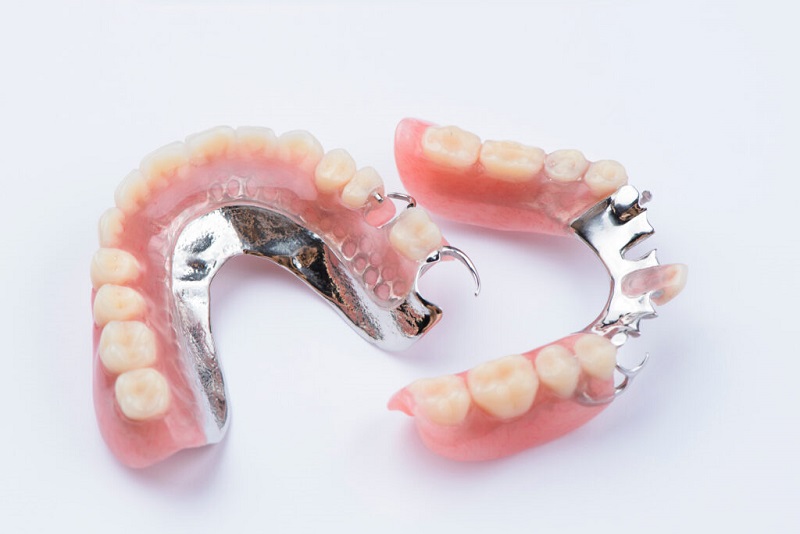
Partial dentures are removable appliances designed to replace one or more missing teeth in either the upper or lower jaw. They typically consist of replacement teeth attached to a gum-coloured base and may include a metal framework or flexible material for added comfort and support.
Their primary function is to restore oral functionality and appearance while preserving remaining natural teeth. They’re often recommended for patients with multiple gaps but who still have some healthy teeth in place.
These devices are also highly adaptable to different mouth shapes and levels of tooth loss. Whether you need a solution for a single missing tooth or several scattered gaps, partials can be customized to match the contours of your gumline and blend in with your natural teeth. Their versatility makes them a suitable choice for many age groups, from young adults to seniors.
Furthermore, the removable nature of partial dentures means you have greater control over your oral hygiene. Unlike fixed bridges, which require specific cleaning tools, you can take out a partial to brush and rinse both the device and your natural teeth thoroughly. This level of maintenance helps prevent cavities, gum disease, and other complications often associated with fixed restorations.
Why Choose Partial Dentures-
One of the main reasons people consider this option is its balance between functionality, appearance, and cost. While some may assume that full dentures are the only choice after multiple tooth losses, partial dentures benefits include the ability to retain natural teeth, maintain jaw stability, and avoid complex surgery.
They’re also ideal for patients awaiting more permanent solutions, such as implants or bridges, and are a common interim option post-extraction.
In addition, partial dentures can act as a preventive tool. When teeth are missing, adjacent ones tend to drift into empty spaces, leading to bite misalignment and jaw discomfort. Wearing a partial helps maintain the position of remaining teeth, reducing the likelihood of future dental issues that may require costly corrections.
Benefits of Partial Dentures
Affordability and Accessibility
One of the major pros of partial dentures is their cost-effectiveness. Compared to implants or fixed bridges, they are significantly more affordable while still offering strong performance. They’re widely available through most dentures services, making them accessible even in smaller communities.
Partial Dentures Comfort and Fit
Modern technology and flexible materials have greatly improved partial dentures comfort. Lightweight bases, precise impressions, and custom fittings result in a snug yet gentle feel. Many patients report quick adaptation periods and minimal discomfort.
In addition, the ability to remove the appliance at night offers relief to oral tissues and promotes healthier gums.
Upper vs Lower Partial Dentures Benefits
There are unique upper partial dentures benefits and lower partial dentures advantages to consider. Upper versions tend to be more stable due to the palate’s natural suction, offering enhanced retention.
Lower devices may face more movement due to tongue activity but are designed to contour around soft tissue for maximum fit. In both cases, chewing becomes more balanced, preventing uneven tooth wear and jaw stress.
Aesthetic and Functional Advantages
One of the most appreciated advantages of partial dentures is the immediate aesthetic improvement. Replacing visible gaps helps patients feel more confident when smiling or speaking.
Functionally, the devices support better speech, aid in clearer pronunciation, and restore the ability to enjoy a wider variety of foods. They also reduce the strain placed on remaining natural teeth by redistributing bite pressure evenly.
Quick Fabrication and Easy Adjustments
Another major plus is their relatively fast turnaround. Most partials can be fabricated within a few weeks, and minor adjustments are easy and affordable.
This is particularly useful for individuals experiencing changes in gum structure or recovering from recent extractions. In such cases, your denture specialist can reline or modify your device quickly for a continued comfortable fit.
Partial dentures can also be repaired or updated over time without the need to replace the entire prosthetic. If a natural tooth is lost or extracted, the existing device can often be modified to include an additional artificial tooth. This adaptability extends the usefulness and lifespan of your appliance, making it an even more cost-effective investment.
Partial Dentures vs Full Dentures
When comparing partial dentures vs full dentures, the key difference lies in the number of natural teeth remaining. Full sets are used when all teeth in a jaw are missing, while partials supplement gaps around existing teeth.
While full prosthetics offer a complete transformation, partials provide a conservative approach that preserves oral anatomy. They’re less invasive, more budget-friendly, and maintain better proprioception (awareness of bite pressure).
Another point of difference is comfort and adaptability. Full dentures require a learning curve, particularly in terms of stability and speech adjustment. Partial dentures, by retaining some natural teeth, allow for easier chewing and quicker acclimation. This difference often results in a smoother, more satisfying transition for new wearers.
Who Is a Good Candidate for Partial Dentures-
Anyone with multiple missing teeth but still possessing several healthy ones may benefit from partials. Ideal candidates include:
- Patients with extracted teeth and adjacent gaps
- Those not eligible for implants due to bone loss
- Individuals looking for temporary or transitional solutions
- People seeking to prevent neighboring teeth from shifting
A consultation with a provider will determine the best type based on your dental history, goals, and oral health status.
Possible Downsides to Consider
Though highly effective, there are a few considerations to keep in mind. Some users may need an adjustment period for eating and speaking. Poorly fitted appliances can cause gum irritation or sores.
In rare cases, metal clasps may be visible, particularly in the front teeth. Maintenance and hygiene are critical to prevent plaque buildup and ensure long-term use.
How to Care for Partial Dentures
Caring for your prosthetic ensures comfort and longevity. Follow these essential tips:
- Clean daily using a denture brush and mild cleanser
- Soak overnight in a suitable solution
- Rinse after meals to remove food particles
- Handle gently to avoid breakage
- Visit your provider for check-ups and relining as needed
Following a routine protects both your prosthetic and natural teeth, supporting overall oral health.
Whether you’re seeking a temporary solution or a long-term alternative to implants, the benefits of dentures — especially in partial form — are numerous. From affordability and appearance to improved function and adaptability, the advantages of partial dentures make them a smart choice for many patients.
If you’re wondering why choose partial dentures over other restorations, the answer lies in their flexibility and efficiency. For more insights, explore our full range of dentures services or connect with a denture specialist today to discuss your options.