
Last Updated on March 4, 2026 by albertadentures
Flipper dentures are a temporary yet practical solution for replacing missing teeth. Whether you’ve just lost a tooth due to trauma, decay, or an extraction, these lightweight and cost-effective devices can help you regain your confidence while you wait for a more permanent treatment. But what is a flipper denture, and is it the right option for you-
In this article, we’ll walk you through everything you need to know — from what is a flipper dental appliance, to the benefits of flipper dentures, and even how to clean my dental flipper for maximum longevity and comfort. You’ll also learn about the different types of dental flippers and when to consider them over other alternatives.

What Is a Flipper Denture –
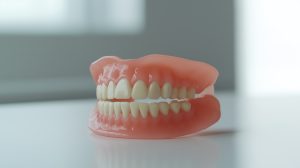
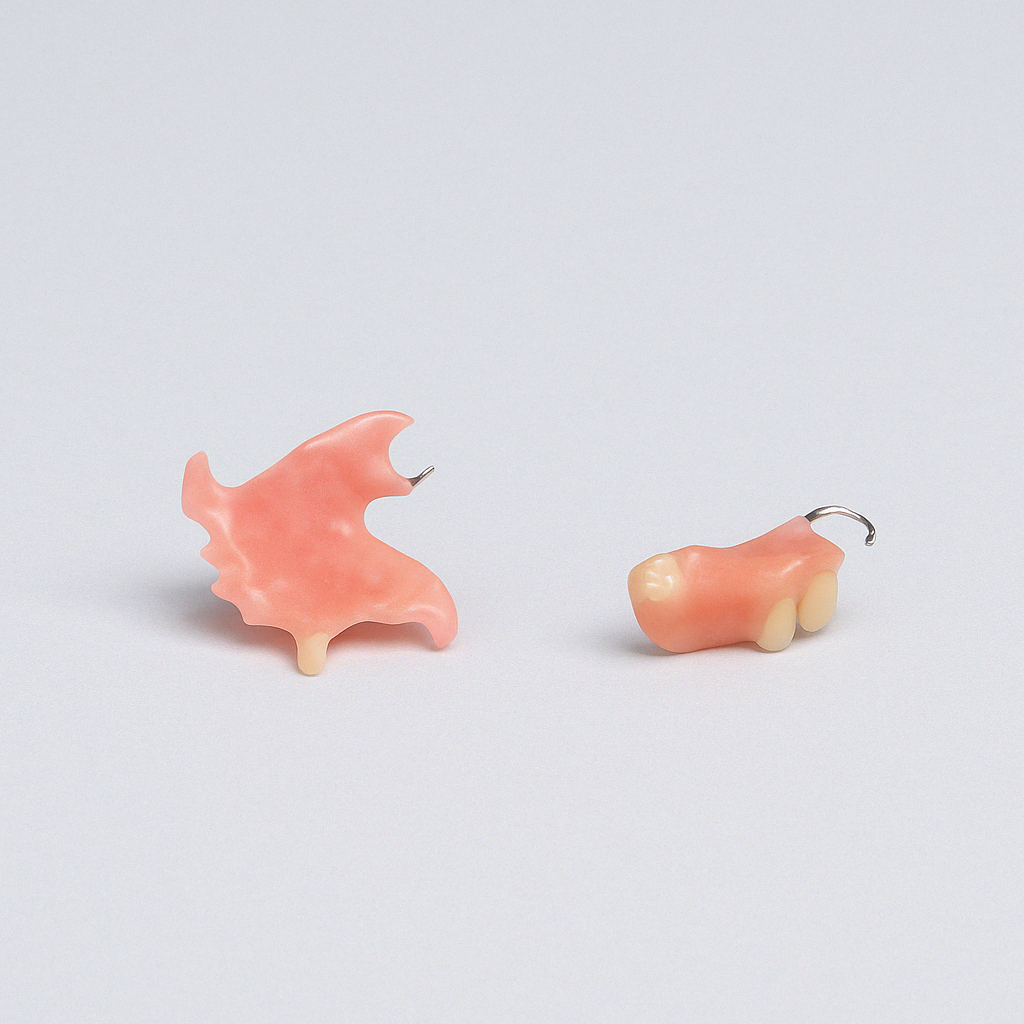
A flipper denture, also known as a dental flipper, is a removable partial denture designed to fill in gaps left by one or more missing teeth. It typically consists of a gum-colored acrylic base with prosthetic teeth attached, and is held in place by small wire clasps or by resting snugly against the gums.
A flipper denture is made by taking a soft impression of your mouth, which is then sent to a dental laboratory. The lab designs a customized acrylic flipper that fits securely and fills the missing space with natural-looking prosthetic teeth.
A flipper denture fits along the roof of your mouth (palate) or sits on your lower jaw, acting like a removable retainer with one or more prosthetic teeth attached. When placed in the mouth, it instantly restores the appearance of a full smile, even after sudden tooth loss from injury, decay, or extraction.
So, what is a dental flipper exactly- It’s a transitional device intended for short-term use. It’s not as durable or stable as permanent restorations like implants or fixed bridges, but it’s far more affordable and accessible.
Dentists may recommend a flipper while you wait for gum tissue to heal before receiving a permanent denture or implant. Despite being temporary, it still offers aesthetic and functional benefits. These devices are especially popular among patients who have experienced sudden tooth loss and need a quick solution that doesn’t compromise their appearance or ability to speak.
Once healing is complete, many patients transition from a flipper to a more durable option such as Partial Dentures for lasting comfort and stability.
How Does a Flipper Tooth Work and Stay Secure?
A flipper tooth works by resting gently against your gum tissue and surrounding teeth to fill the gap left by a missing tooth. Unlike implants or fixed bridges, it does not anchor into bone. Instead, it relies on a combination of precise fit, light suction, and in some cases small wire clasps that help keep it in position.
The acrylic base is custom-shaped to follow the contours of your palate (upper jaw) or lower gum ridge. When properly fitted, it distributes light pressure across the soft tissue, allowing it to remain relatively stable during normal speaking and light chewing.
Because it is designed as a temporary appliance, it does not provide the same level of retention as permanent restorations. Over time, changes in gum shape during healing may slightly affect how securely it fits. If movement or looseness develops, a denturist can adjust the appliance to restore comfort and stability.
Benefits of Flipper Dentures
One of the primary benefits of flipper dentures is the boost in appearance and self-confidence they offer shortly after tooth loss. Here are some of the most notable advantages:
- Cost-effective: Flippers are generally less expensive than other tooth replacement options.
- Non-invasive: No surgery is required to place a flipper denture.
- Quick solution: They can often be made and delivered in a matter of days.
- Easy to use: Flippers are simple to insert and remove.
- Improved speech and chewing: Even though they’re temporary, they still help restore basic function.
- Immediate option before extraction: A flipper can be made in advance so you don’t have to go without a tooth immediately after the extraction.
These benefits make them an excellent short-term option, especially for individuals preparing for permanent restorations. Additionally, flippers allow for early cosmetic recovery, which can positively affect a person’s emotional well-being after tooth loss.
Different Types of Dental Flippers
There are several different types of dental flippers, each suited to a specific situation:
- Single-tooth flipper: Replaces one missing tooth. Ideal for front-tooth gaps.
- Multiple-tooth flipper: Covers two or more missing teeth, typically in the same arch.
- Upper or lower arch flipper: Designed for either the top or bottom of your mouth, depending on where teeth are missing.
Each type is custom-fitted for comfort and stability. Depending on your oral health and the number of teeth missing, your denture specialist may recommend one type over another. The material and design may also vary slightly depending on whether it’s intended for long-term aesthetics or short-term functionality.
How to Clean and Care for Your Dental Flipper
Proper maintenance is essential if you want your appliance to last. Many patients ask, how to clean my dental flipper or how to care for it properly- Here are a few tips:
- Rinse after eating: Remove and rinse your flipper with water to dislodge food particles.
- Brush daily: Use a soft-bristle toothbrush and a non-abrasive cleanser. Avoid regular toothpaste, which may scratch the surface.
- Soak overnight: Use a mild denture solution or plain water. This keeps the appliance moist and prevents it from drying or warping.
- Handle with care: Clean it over a towel or soft surface to avoid breakage if dropped.
- Avoid dark-coloured drinks like coffee, tea, or cranberry juice, as they can stain the acrylic material.
- Always remove your flipper before bed to prevent irritation and allow the tissues in your mouth to rest overnight.
- Start with soft foods during the first week. It helps you adapt to speaking and chewing without damaging the new appliance.
Learning how to clean my dental flipper correctly not only extends its lifespan but also helps prevent plaque buildup and odor. Also, make it a habit to inspect the device regularly for cracks or worn areas that might affect performance or comfort.
Can You Eat With a Flipper Tooth?
Yes, you can eat with a flipper tooth, but certain precautions are recommended. Because flippers are lightweight and made from acrylic, they are not designed to withstand heavy chewing pressure.
During the first few days, it is best to start with soft foods such as eggs, pasta, yogurt, or cooked vegetables. As you adapt, you may gradually reintroduce firmer foods while chewing slowly and evenly on both sides of your mouth.
It is advisable to avoid:
- Hard foods like nuts or ice
- Sticky foods such as caramel
- Biting directly into tough foods with a front flipper
Following these guidelines helps prevent cracks, loosening, or discomfort while wearing the appliance.
Potential Drawbacks to Consider
While flippers are convenient, they’re not without disadvantages. Before choosing one, consider these limitations:
- Less durability: Made from acrylic, they’re more prone to damage and wear.
- May affect speech: Some people experience temporary changes in their speech.
- Require daily maintenance: Cleaning is necessary to avoid stains and bacterial buildup.
- May not be very stable: They can shift slightly while eating or talking.
- Not ideal for long-term use: They are meant as a short-term or transitional solution.
Discuss these drawbacks with a qualified denture specialist to see if this option meets your expectations.
How Long Does a Flipper Tooth Last?
A flipper tooth is intended as a temporary solution and typically lasts between 6 and 12 months. In some cases, patients may wear it longer, but extended use can lead to wear, reduced fit, or gum irritation.
Several factors affect how long a flipper lasts:
- Daily care and cleaning habits
- Changes in gum shape during healing
- Chewing habits
- Frequency of adjustments
As the gums and bone remodel after extraction, the appliance may become loose. For long-term stability and oral health, most patients transition to partial dentures, bridges, or implants once healing is complete.
Can a Flipper Tooth Be Permanent or Is It Only Temporary?
A flipper tooth is primarily designed as a temporary appliance. While some patients wear it for several months, it is not intended to serve as a permanent replacement for missing teeth.
Because it rests on soft tissue rather than being anchored into bone, long-term use may lead to shifting, reduced stability, or irritation. Over time, changes in the gum and underlying bone can also affect how securely it fits.
In certain situations, a patient may use a flipper for an extended period due to financial or medical considerations. However, most dental professionals recommend transitioning to a more durable option — such as partial dentures or implants — for long-term function and stability.
Is a Flipper Denture Right for You-
If you need a quick and affordable solution for missing teeth, a flipper may be ideal — especially if you’re waiting for implants or a more permanent device. Here’s when it might be a good fit:
- You’re missing one or several teeth but want a temporary fix
- You’re planning to receive dental implants later
- You need a non-invasive, affordable tooth replacement
- You’re focused on aesthetics during the healing phase
Your provider can guide you through the selection process and ensure your flipper is comfortable and properly fitted. To explore further, visit Alberta Dentures’ dentures services page and book a consultation.
So, what is a flipper denture- It’s a lightweight, removable, and cost-effective way to replace missing teeth temporarily. Whether you need it for a week, a month, or longer, flippers help restore confidence and function during the transition to permanent dental work. With proper care and the guidance of a trusted provider, they can be a valuable part of your dental journey.

Flipper vs Partial Denture vs Dental Implant
When choosing a tooth replacement option, it’s important to understand how flipper dentures compare to partial dentures and dental implants. Each solution serves a different purpose depending on your oral health, budget, and long-term goals.
A flipper tooth is typically used as a short-term or transitional appliance while healing takes place after extraction. Partial dentures are designed for longer-term removable use and provide greater stability. Dental implants, on the other hand, are considered the most permanent solution because they integrate with the jawbone and function similarly to natural teeth.
The comparison below highlights the key differences in stability, longevity, cost, and overall treatment approach to help you better understand which option may be appropriate for your situation.
| Feature | Flipper Tooth | Partial Denture | Dental Implant |
| Purpose | Temporary replacement | Long-term removable solution | Permanent fixed solution |
| Stability | Moderate | More stable | Highly stable |
| Surgery Required | No | No | Yes |
| Cost | Lower | Moderate | Higher |
| Longevity | 6–12 months | Several years | 10+ years |
Temporary Flipper Tooth Cost in Alberta
The cost of a temporary flipper tooth in Alberta typically ranges between $300 and $500, depending on the number of teeth being replaced and the complexity of the design. Single-tooth flippers are generally less expensive, while multiple-tooth appliances may cost more.
Several factors influence pricing, including:
- The number of prosthetic teeth required
- Adjustments or relines during healing
- Materials used in fabrication
- Follow-up visits
Many extended dental insurance plans classify flippers under removable partial dentures and may cover a portion of the cost. However, coverage varies depending on your policy. It is always advisable to confirm details with your provider before treatment begins.