
Last Updated on April 20, 2026 by albertadentures
Flexible dentures are a popular choice for individuals looking for a lightweight, comfortable, and discreet tooth replacement option. Made from soft, pliable materials, they adapt to the natural contours of your mouth and provide a more aesthetic and comfortable experience than traditional acrylic prosthetics. However, to maintain their flexibility, comfort, and appearance, proper care is essential.
In this guide, we answer your most common questions, including how to take care of flexible dentures, how to clean flexible dentures, and the key dos and don’ts of caring for flexible dentures. Whether you’re new to wearing them or looking to improve your current routine, this article will help you extend their life and avoid common pitfalls.
What Are Flexible Dentures-
Flexible dentures are partial appliances made from thermoplastic materials such as nylon rather than the more rigid acrylic used in traditional models. This material gives them their signature flexibility, allowing them to bend without breaking and better conform to the shape of your gums.
They are often chosen for their comfort, natural appearance, and ease of wear. Since there are no metal clasps, they blend more seamlessly with your natural gum line. They’re especially suitable for patients with sensitive gums, allergies to acrylic, or those who struggle with the bulkiness of conventional models.
The Dos of Caring for Flexible Dentures
Proper daily care plays a key role in maintaining the comfort, appearance, and durability of your appliance. By following simple best practices, you can prevent damage, reduce buildup, and extend the lifespan of your flexible dentures. Below are the most important things you should do to keep them in optimal condition.
Do Clean Them Daily
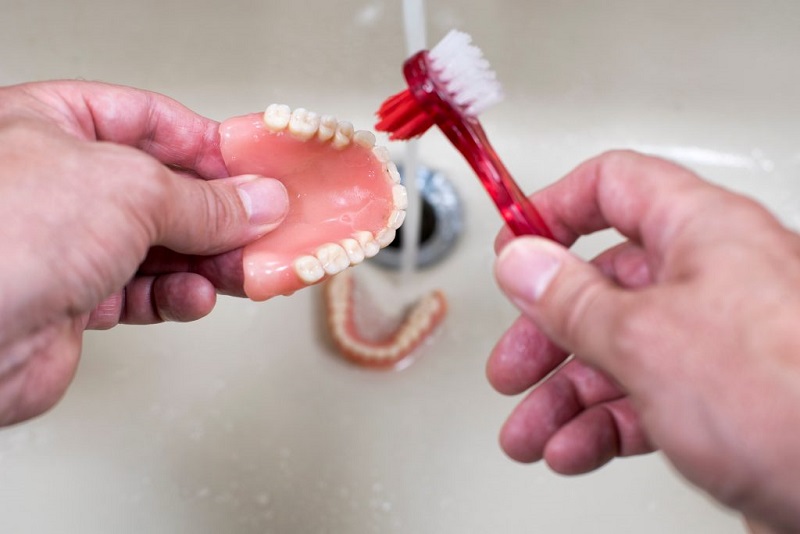
Daily cleaning is crucial for preventing plaque buildup, stains, and odors. Wondering how to clean flexible dentures properly- Use a soft-bristle brush and mild soap or a cleaner designed for oral appliances. Gently brush them under cool running water, taking care to remove all debris and particles.
Avoid using standard toothpaste, which can be too abrasive and may damage the surface.
Do Soak Them Overnight
To maintain their shape and flexibility, soak your appliance overnight in a cleaning solution or plain water. This step helps prevent warping and keeps the material supple.
If you’re asking how often should I soak my flexible dentures, the answer is nightly. It’s a routine that keeps them fresh and comfortable for the next day.
Do Use a Soft-Bristle Brush
Cleaning with a hard-bristle brush may scratch or damage the soft surface. Always opt for a brush specifically designed for oral devices, or use a very soft toothbrush. This preserves the material and ensures thorough yet gentle cleaning.
Do Handle Them with Care
Although these devices are more durable than acrylic ones, they still need gentle handling. Clean them over a soft towel or a sink filled with water to avoid breakage if they are accidentally dropped.
Do Visit Your Dentist Regularly
Routine dental visits are essential to check the fit, condition, and cleanliness of your appliance. Dentists can identify early signs of wear, fungal growth, or changes in your mouth’s structure and provide solutions accordingly.
If you’re looking for ongoing support and check-ups, Alberta Dentures is one of the trusted denture clinics offering personalized care.
The Don’ts of Caring for Flexible Dentures
Just as important as proper care is avoiding common mistakes that can damage the material or shorten the life of your appliance. Certain habits may seem harmless but can lead to warping, staining, or discomfort over time. Here are the key things you should avoid when caring for flexible dentures.
Don’t Use Harsh Chemicals
Bleach, alcohol, or whitening toothpaste can weaken the material and alter its color. These substances may also irritate the tissues in your mouth. Stick with non-abrasive, non-alcoholic solutions designed specifically for oral care.
Don’t Use Hot Water
High temperatures can warp the flexible base. Always rinse and soak your appliance in lukewarm or cool water. Never attempt to sanitize them using boiling water.
Don’t Sleep with Them In
Although it might be tempting to keep them in overnight, removing them allows your gums to rest and reduces the risk of fungal infections. Give your mouth some breathing space each night.
Don’t Bite or Chew Hard Foods
Flexible appliances are not as strong as natural teeth or implant-supported options. Avoid biting directly into hard foods like nuts, ice, or hard candies. Doing so can distort the shape or cause micro-tears.
Don’t Ignore Discomfort
Persistent soreness, redness, or discomfort could indicate an improper fit or developing irritation. Address these symptoms promptly with your denturist before they lead to more serious issues.
Common Mistakes to Avoid with Flexible Dentures
Overusing Adhesive
These appliances are designed to fit snugly without adhesive. Overuse can cause buildup, affect the fit, and be difficult to clean. If they feel loose, it’s better to consult your dentist rather than rely on glue.
Skipping Regular Cleanings
Even if they don’t look dirty, flexible devices accumulate plaque and bacteria throughout the day. Skipping cleaning can lead to odor, discoloration, and oral infections.
Neglecting Gum Health
Your gums are the foundation. Clean your gums, tongue, and the roof of your mouth every morning before inserting the appliance to maintain a healthy oral environment.
Tips for Keeping Your Flexible Dentures in Top Condition
- Store Safely: When not in use, always keep your device in a clean, moist environment.
- Travel Prepared: Carry a small case and cleaning brush when traveling.
- Keep a Routine: Consistency is key. Establish a daily care routine that includes brushing, soaking, and inspecting.
- Be Gentle: While the material is flexible, rough treatment can still damage it.
- Ask Questions: If you’re unsure about how to take care of flexible dentures, don’t hesitate to reach out to your dental provider.
These devices are available from many providers, including Alberta Dentures, where specialists can help ensure a proper fit and offer advice on how to care for flexible partial dentures.
Caring for flexible dentures may seem simple, but following the proper steps is essential to protect your investment and oral health. By following the dos and don’ts of caring for flexible dentures, you can enjoy a more comfortable, long-lasting, and hygienic experience. Knowing how do you clean flexible dentures and practicing consistent care will keep your smile looking and feeling great for years to come.