
Last Updated on February 24, 2026 by albertadentures
Selecting the appropriate material for a removable dental appliance can be exhausting. Patients don’t just want their appliance to feel comfortable in the mouth, to be pleasing to the eye, and to be durable – they want it to be good value for money as well. The material used impacts on the natural look of the appliance, how stable it feels when chewing, how well it stands up to daily wear and tear, and, of course, its relative cost and amenity value.
Partial dentures are patient-preferred removable teeth replacements. These smaller dentures are attached to other teeth or in the gums, allowing for a natural-looking smile.
Choosing the best material for partial dentures makes a big difference, depending on patients’ lifestyles, habits, and dental conditions. Knowing the difference between varieties gives patients the power to help restore their smiles with conviction.
The material selected puts its stamp upon cleaning needs, frequency of repair, and long-term comfort. A judicious choice can improve quality of life by permitting you to chew easily and look natural doing so.

Common Partial Denture Materials Explained
There are several types of partial denture materials, each with their own advantages. The most common are metal frameworks, acrylic based designs and flexible thermoplastic options. All the materials vary in weight, stability, adaptability and aesthetic appearance. Choosing the best choice begins with understanding how each responds under pressure and in use throughout the day. Some are designed for strength first, while others provide flexibility and discretion.
For a broader overview of functional advantages, explore the Benefits of removable dental prosthetics
Metal Framework Dentures
Metal frameworks are generally made of cobalt-chromium alloys. They are strong yet light, having thinner span than most acrylic appliances. The rigid framework exerts even pressure across the arch, enabling the appliance to be less displaced during chewing and speaking.
Many practitioners would consider metal frameworks one of the most satisfactory long term solutions. They are of value for patients with strong bite forces and marked tendency to lose teeth. Metal frameworks are not very bulky, so the appliance is less thick overall which tends to increase comfort and clarity of speech, and they may be useful for many years without structural change if properly cared for.
For more information, visit Metal dentures.
Acrylic Resin Dentures
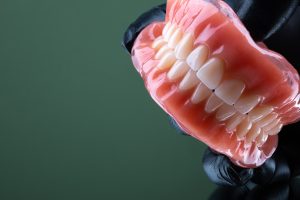
Acrylic resin denture: this is often commercially available for rapid use (as a stop-gap). An acrylic denture is relatively cheap and easily modified compared to a metal design. The relatively thick base may require a short period of adaptation. Generally easy to repair if broken, it can also be used where future changes in oral conformation may be anticipated.
Acrylic is not as durable as metal is likely to be, and the structure may become weakened over time due to stresses from chewing, etc., but the acrylic alternatives will generally prove to be satisfactory to patients where cost and adjustability are the most important considerations.
To learn more, see Acrylic dentures.

Flexible & Non-Metal Frameworks
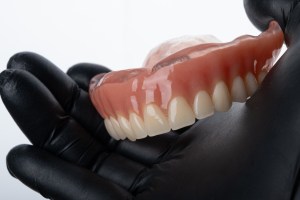
Flexible designs use thermoplastic resins instead of rigid metal. This flexible denture material hugs nicely to the contour of the gums; thus their appearance is better looking as well as more comfortable. A non metal denture framework replaces visible clasps with a pretty palate. This is often popular on the grounds of appearance alone, and the light weight is feature enough.
However, flexibility can also diminish rigidity of structure. Although such appliances are comfortable to wear, they may not last as long under the increased demands of high-pressure cases as would metal frameworks. A flexible concept might also be suggested for the patient whose major requirements are one of appearance and moderate chewing strength.
Partial Denture Framework Material Comparison
In the comparison of partial denture frameworks by materials, attention must be paid to strength and pressure distribution, comfort, aesthetics, cost, and longevity. Metal cast frameworks and wrought wire provide for strength and pressure distribution in the residual dentition and support other components. Acrylic-based frameworks are pliable, easily modified, and typically inexpensive. Flexibles tend to be preferential to comfort and aesthetics, sometimes shunning appearance for the same reason.
The argument, flexible dentures vs cast metal is typically one of rigidity versus adaptability. Cast metal gives stronger frame-work, with truer long-lasting results. A flexible denture may seem lighter and mould naturally to gum and soft tissues but ultimately for whom and where the frame-work is to be made of a particular substance can only be determined on interpretation by a practitioner.

What Is the Most Durable Denture Material?
Patients often ask what is the most durable denture material? Cast metal frameworks are considered to be among the strongest and most stable. The strongest removable denture material? Cobalt-chromium alloys are used. These metals resist bending and keep their shape under considerable pressure.
Durability means there’s less risk of fracturing and/or permanent distortion. For those with strong bite force and/or a lot of tooth loss, metal frameworks frequently offer the best starting point. Durability is not all that matters, though; balance between strength, comfort and aesthetics is desirable.
What Is the Most Comfortable Denture Material?
Comfort is largely subjective — and dependent upon the individual anatomy of patients, many of whom have stated that flexible options represent the most comfortable denture material because they contour closely to the gum tissue. Flexible materials lessen the occurrence of hard pressure points on the gums and therefore may seem softer in the sense that they do not shock the tissues so much when inserted and removed. Trim, lightweight design often makes them more comfortable to wear as a whole.
However, comfort relies very much on accurate technique and adjustment, even the best material can result in soreness if badly made. See also Denture comfort for advice on how to increase your overall comfort.
Advanced Removable Denture Materials: Are They Worth It?
Newer advanced removable denture materials are in the form of tougher materials which resist breakage but are also aesthetically more acceptable. These might be more thermoplastics or composites which are more tooth colored.
Advanced materials are less likely to lose their colour and are less bulky, allowing for a more natural appearance without compromising structure. They may be more expensive at the front end, but may save long-term maintenance costs. For many patients, they represent a sound investment, with fewer complaints and adjustments.
Modern technology continues to refine these materials, expanding customization possibilities and enhancing patient outcomes.
One more thing to remember when considering a material of your denture is how adaptable it will be through the years. As your jawbone changes, some materials lend themselves to further modification more readily than others. For example, designs with a metal framework tend to hold up better than an acrylic base, which is much more easily relined. Flexible-natured dentures may feel comfortable at the beginning but may not allow for major changes later on. Be sure to think about your lifestyle and come to grips with how often you will be eating, travelling, wearing your dentures night and day. This will help you decide whether the materials you have in mind will progress with you ten years down the track.
How to Choose the Right Partial Denture Material
Choosing the best material for partial dentures involves taking into account several important considerations:
• Holes in the smile
• The strength of your bite and way of chewing
• How much you care about looks
• Your budget
• How much maintenance you want to deal with on a long-term basis
There’s no one single right answer. Choosing a material for partial dentures is individual, since it depends on your anatomy, habits and preferences. Working with a skilled provider makes sure that what you need clinically jives with what you want aesthetically. At
At clinic Alberta Dentures, they go over all cases with an emphasis on balancing durability, comfort, and appearance. They also provide case studies and details about their team at About us. Guide them in the trade-off process, enabling a choice of a material that suits the balance they are comfortable with to ensure short-term comfort without compromising long-term success.

Which kind of material is best for you? Choosing the amount like a given material is more than just a question of price. Metal frameworks are long-lasting and durable. Acrylic designs provide affordability and are easier to make adjustably. Flexible materials put a firm accent on discretion. Knowing what they are will enable you to discuss your dental goals with your dentist, enabling you to select the material that can make your goals possible. Each material is designed, after all, to help you.
Book a consultation today and let us help you or your loved one smile with confidence again
Taking care of your smile isn’t just about appearance — it’s about health, comfort, and being able to enjoy life’s little moments without worry. From family dinners to laughing with friends, dentures should support your lifestyle, not get in the way.
📞 Call now 587-966-3368 or 👉 Book Online