
Last Updated on February 24, 2026 by albertadentures
Discomfort due to removable dental prostheses is a frequent occurrence that may jeopardize the normal enjoyment of each working day. Pain may make chewing difficult, render speech indistinct, diminish the pleasure of smiling, and cause sleepless nights. Some patients feel tenderness in the gum of only one tooth, while others feel jaw pressure or soreness in a general way whilst eating. Mild irritation during the adjustment period is not unusual, but annoying discomfort should never be allowed to persist for many hours at a time.
Basically, denture pain is when the gums or other tissues of the mouth get swollen, sore, or irritated from your removable appliance being in place too long. Use the term you prefer: it might feel like a sharp spot, throbbing, raw, or burning around the gum line. Denture wearers search the “best ways to treat your denture pain” all the time because they want safe, effective, quick relief. The good news is most pain is beatable, once you know what is really wrong.
At Alberta Dentures we often find ourselves explaining that pain or discomfort usually indicates a slight imbalance and not failure, and by attending to the early source of that imbalance that we can avoid damage to the tissues, repair the problem and return to comfort that much sooner. Those who have adjustments timely may avoid more serious risks and heal more readily and surely. The sooner the error is adjusted the less inflammation the tissues take on and the more readily recovery is undertaken.
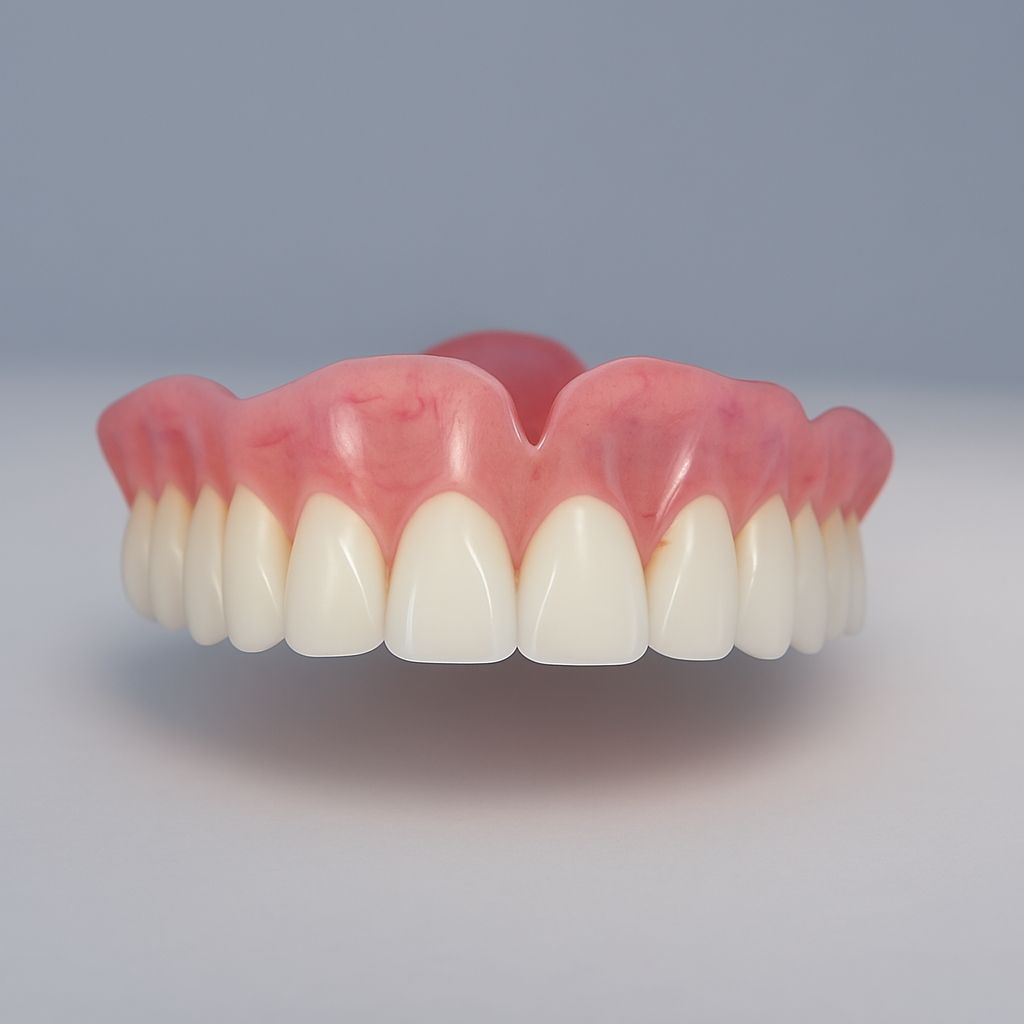
Understanding Denture Pain and How to Relieve It
When patients investigate how to relieve denture pain, they are frequently experiencing significant discomfort that impacts their regular life. Relief comes when they ascertain whether the issue is mechanical, inflammatory, or behavioral. The mouth is never static. Bone remodels after tooth loss, gum contours alter gradually. Even a perfectly fitting appliance may require adjustment in a matter of months. Tiny changes in structure can create pressure points that were not part of the initial design.
Our lead clinician often notes: “Most discomfort cases are predictable and reversible. The key is identifying the mechanical imbalance before inflammation worsens.”
Pain may vary during the day; it may aggravate after meals, or during a long talk. Again, by noting the circumstances, one may ascertain whether soreness is due to pressure of food, over-weariness, or defective cleanliness. At first trivial, soreness may lead to constant inflammation. Regular visits to the dentist will tend to prolonged comfort and rest.
Why Do Dentures Hurt?
Most often, the cause for the question, why do dentures hurt, when they have always felt so secure, involves natural shrinking of bone. As the shape of your jaw changes, pressure is no longer even across the appliance.
Movement. Even slight movement while speaking or eating may sometimes create unnecessary friction against the soft tissues and this friction leads to irritation, which in turn oftentimes results in soreness or ulceration of the parts. Uncleanliness. Germs may be allowed to accumulate under and around the teeth and this results in irritation of the gum tissues and greater susceptibility of the parts to ulceration. Sometimes the habits of uncleanliness can be traced to Denture pain causes which helps patients understand how inflammation develops beneath the surface.
Stress-induced clenching can also amplify pressure; it is not unusual to have increased sensitivity if the appliance appears to be seated well but is not. Alleviating your concern for both the mechanical and psychological factors aids in tolerating the appliance longer before becoming sore. More frequent observation will prevent the small from developing into unwieldy or painful.
Common Causes of Denture Pain
When a local cause for denture pain has been diagnosed, treatment may be instituted that will not simply mask the symptom for a week but actually cure it.
The common denture pain causes are:
• A badly adjusted occlusion.
• Local concentration of pressure.
• Partial absorption of bone beneath the plate.
• Use of an excess of denture adhesive.
• I want nightly removal of the appliance.
Sometimes a tiny habit on the part of the patient leads to irritation. The wearing of the plate day and night without rest for the tissues diminishes their circulation, and thus delays recovery. Caution should be exercised against subtle symptoms, such as trifling redness appearing on the tissues after a meal, or just perceptible movement of the appliance in conversational speech.
Hydration status also affects comfort. Dry tissues are more susceptible to friction, more easily becoming upset. Drinking lots of water all day helps lubricate, also heal, the tissues. Balanced nutrition strengthens the tissues and promotes healing.
Patients who seek care early typically recover more quickly than those who delay adjustments. Proactive monitoring plays an important role in preventing chronic discomfort.

How to Relieve Denture Pain — 5 Best Methods
Effective relief requires practical and structured solutions. These five approaches address both immediate symptoms and long-term stability.
Proper Denture Fit and Adjustment
Precise fit is the most important aspect of comfort. Just being slightly out can end up causing uneven pressure. Denture adjustment by the professionals restore even contact points and relieve stressed areas of tissue.
At Alberta Dentures we make tweaks only where needed, and do not reshape aggressively. Restoring balanced pressure allows the tissues to heal naturally and this can often be noticed right after correcting anything.
Regular checkups are just as important. When teens age, the face shape shifts gradually and you *may* not realize movement is occurring until discomfort returns. Preventative evaluation gives you peace of mind, everything is holding its gentle adjustments in place. Periodic maintenance allows your appliance to remain in sync with your anatomy.

Relief for Sore Spots and Irritated Gums
Localized tenderness betokens a local area of pressure, a tendency to produce, is relieved for a time by warm salt water rinsing the mouth, but that does not relieve the mechanical fault. There is little gain to be made in wearing the appliances at night. Day after day in constant use decreases the circulation in a very wholesome way, and the tissues need to be given so many hours’ rest again. Take them in or out as gently as possible.
Staying hydrated plus regular nutrition promotes gum recovery. Stronger tissues will recover from minor irritation quicker, plus making adjustments is easier. Less adhesive buildup means less inflammation and irritation.
Soft Foods and Eating Modifications
Diet while healing injury. Less pressure on inflamed tissues. Nutritious foods – crunchy, hard, or extremely sticky / chewy tend to create pressure and rubbing against sore, inflamed tissue. Temporarily avoiding these foods will reduce the pressure and rubbing on the sore tissues and allow them to heal quicker.
Example:
• Vegetables steamed tender
• Oatmeal
• Yoghurt
• Soft fish
• Mashed legumes
Eat slowly. Chew deliberately. Even the biting forces. Be very careful that you don’t have any massive compressing, squeezing, or rubbing any sensitive spot suddenly with concentrated force. Slowly wean yourself to eating and get them strong before eating hard stuff again.
Denture Hygiene for Pain Prevention
When they are not cleaned frequently enough for pain prevention, they are likely to irritate the gums because of the bacteria that can quickly accumulate on them in this case. Daily use of a non-abrasive denture cleanser and brushing will keep dentures free of any food particles. This is the only way to prevent food from becoming caught in them after meals and causing inflammation. Professional services such as Denture hygiene provide deeper sanitation.
Fresh appliances minimize stink, irritation, and soreness. Regularity in scrupulous habits is of the utmost moment to long-term comfort and the wellbeing of the tissues. A proper adjunct is spotless storing for the night.
When to See a Denturist for Denture Pain
Knowing when to get a denturist involved for sore dentures means that a simple irritation doesn’t turn into a more serious case of inflammation.
Consider getting a professional opinion from a denturist if:
• It hurts for more than 2 weeks
• It’s swollen constantly
•You develop sores
•Your jaw gets fatigued easily
•It’s hard to chew on soft things
You can See a denturist for expert assessment.
To book an appointment, visit Contact clinic. Patient feedback is available here: we are.
Being open with your dentist right from the start about when and what particular sensation led you to realize that a problem existed means that it is easier for them to 1) diagnose more accurately the cause of the problem quickly and 2) to fix it sooner, lessening the risk of infections or prolonged inflammation.

Other Denture Discomfort Solutions
In some cases denture discomfort solutions have to be more drastic. For instability that persists even after denture adjustments, structural reinforcement may be the desired option. Relining resculpts the interior lining of the prosthesis to match the contours of the gum at the time of relining; improvement in the fit, at least as far as there being less “wiggle” to the dentures, is often imminent.
For those who are constantly getting into trouble through loose-fitting plates or dentures on account of bone absorption, Implant dentures have been evolved, where possible. With an appliance anchored in position, there is less liability for friction to occur on the gums, while any strain upon them over any point, will be less marked. Patients may derive comfort from their use in the proportionate measure set out further above, which is all in all to real comfort. But the stability, cleanliness and self-evaluation count, together with regular reminder correction when necessary, in order to effectively retain permanent pleasure and freedom from a distressed gum.
Denture pain can ruin your comfort, your nutrition, and your confidence. Most of the time that pain is manageable with structured evaluation and systematic correction. Knowing why dentures hurt, spotting pressure imbalance, acting on professional advice – they’re still your best friends.
At Alberta Dentures, our priority is restoring comfort while safeguarding your long-term oral health. To find out more about our approach, visit the About us page. When diagnosed early, if hygiene is maintained, balanced lifestyle habits are followed, and adjustments are started on time, lasting relief can be achieved and comfort maintained day after day.
Book a consultation today and let us help you or your loved one smile with confidence again
Taking care of your smile isn’t just about appearance — it’s about health, comfort, and being able to enjoy life’s little moments without worry. From family dinners to laughing with friends, dentures should support your lifestyle, not get in the way.
📞 Call now 587-966-3368 or 👉 Book Online